Responsible Governance: Leadership, Risk Control and Resilience
YFY continues to strengthen corporate governance, with the Board of Directors serving as the highest governing and oversight body. Sustainability, risk management, ethical business conduct, information security and supply chain resilience are integrated into day-to-day decision-making and management mechanisms. Through three strategic pillars – Board leadership, ethical conduct and integrated risk management, and digital and value chain resilience – YFY reinforces checks and balances, enhances decision-making quality, and transforms sustainability governance from a compliance requirement into a source of long-term corporate competitiveness.
The Board has established the Audit, Remuneration and Sustainable Development Committees, while the ESG Office regularly reports sustainability topics and implementation progress to the relevant governance bodies. In 2025, the overall attendance rate of the Board and its three functional committees reached 100%. Of the seven directors, three were independent directors, accounting for 43%, and five were non-executive directors, accounting for 71%. Independent directors represented 60% of the Sustainable Development Committee. The Board also continues to review governance effectiveness through self-assessment and external evaluation; in 2025, the external evaluation results for both the Board and its functional committees were rated “Excellent.”
Board Leadership and Enhanced Sustainability Oversight
YFY continues to integrate ESG into Board oversight and senior management performance mechanisms. More than 30% of annual performance indicators for managers at assistant vice president level and above are linked to ESG, aligning sustainability targets with operating performance, compensation incentives and resource allocation. Through institutionalized oversight and performance management, YFY strengthens the quality of Board decisions on climate, risk, supply chain and other material sustainability topics.
Board Diversity Policy
YFY values the diverse backgrounds and professional expertise of its Board members. By combining different personal attributes, professional knowledge and industry experience, YFY strengthens the Board’s understanding of operational, risk and strategic matters, enhancing decision-making quality and oversight effectiveness.
1. Principles for Board Diversity
In determining Board composition and selecting director candidates, YFY considers the following aspects in line with its operational and development needs:
Personal attributes: YFY considers gender and age as factors in Board diversity and plans to incorporate nationality, race, country of origin or cultural background to bring a broader range of perspectives and experience to the Board.
Professional knowledge and skills: YFY considers professional backgrounds in areas such as law, accounting, industry, finance, marketing and technology, together with each member’s skills and industry experience, to ensure complementary capabilities across the Board.
2. Directors’ Professional Competence and Selection
Board members should possess the knowledge, skills and attributes necessary to fulfil their responsibilities. YFY considers competencies in operational judgment, accounting and financial analysis, management of the Company and its subsidiaries, crisis response, industry knowledge, international market perspectives, leadership, decision-making, and risk identification and management.
YFY adopts a candidate nomination system and conducts director elections in accordance with applicable laws and regulations, its Corporate Governance Code and Director Election Rules. Diversity factors and professional qualifications are considered in the selection process, with due regard to the Board’s overall composition and independence.
Succession Planning for Board Members, CEO and Key Management
The Company's board of directors is elected by shareholders during the shareholders' meeting. In line with the Corporate Governance 3.0 Sustainable Development Roadmap, which aims to strengthen the independence of directors in listed companies, we advocate for independent directors to serve no more than three consecutive terms. This policy ensures generational turnover in director and independent director selections.
To maintain continuity and stability, the board member turnover rate should not be excessively high during each election. This approach facilitates the transfer of management and governance experience from the outgoing board to the incoming one. Our company provides regular training programs for directors and key management, enhancing their professional expertise across a wide array of topics essential to corporate governance. These topics include finance, business strategy, legal compliance, accounting principles, ESG standards, and internal control systems. We ensure that every director, including those serving in dual roles, receives information relevant to their responsibilities. With a minimum of six hours of training annually per individual, our commitment guarantees that our board members and key management uphold exemplary corporate governance practices.
Furthermore, we invest in nurturing potential successors within our organization. We also actively seek accomplished individuals with diverse backgrounds in business, legal, finance, accounting, or corporate affairs to serve as directors or independent directors. This is part of our strategic succession plan for the future.
Business Integrity and Integrated Risk Management
YFY’s framework is grounded in its Integrity Management Code, behavior guidelines and insider-trading prevention mechanisms, supported by multiple reporting channels and anti-retaliation protection. Enterprise risks are managed through a “Three Lines of Defense” structure: operating units identify and respond to risks; the risk management function provides oversight and guidance; and the Auditing Office conducts independent reviews. In 2025, YFY assessed 56 risk indicators and prioritized and managed them by likelihood, impact magnitude and financial impact, progressively shifting risk management from ex-post compliance toward ex-ante early warning and closed-loop improvement.
In 2025, YFY recorded no incidents of dishonest business conduct and no single material violation of NT$1 million or more. During the year, integrity management training totaled 305 attendances and 373 person-hours, while risk-management-related training totaled 1,022 person-hours. There were 18 general penalty cases totaling NT$3.074 million, down 52.6% in the number of cases and 65.1% in the total amount year on year; all cases have been paid and remediated.
Strengthening Digital and Value Chain Resilience
In response to digitalized operations and supply chain risks, YFY continues to strengthen information security governance, with a Chief Information Security Officer and a dedicated unit in place, and conducts annual cybersecurity health checks, risk assessments, disaster-recovery drills and multilayer protection. In 2025, there were no material cybersecurity incidents causing damage to operations, reputation or customer relationships. During the year, 10 cybersecurity disaster drills and general awareness courses were held, with 2,024 attendances.
In supply chain management, YFY continues to establish improvement and follow-up mechanisms through the Supplier Code of Conduct, significant-supplier tiering and periodic evaluation. In 2025, YFY completed evaluations of 1,018 suppliers, with no high-risk suppliers identified. All newly added suppliers must provide the Supplier Integrity Management and Code of Conduct, and more than 2,000 suppliers have completed the required documents to date.
YFY also integrates customer satisfaction and complaint mechanisms across its three business groups, continuously improving operating performance through feedback on quality, delivery and service. In 2025, customer satisfaction across the three business groups reached 94.3%, with 100% site coverage.
Future Governance Priorities
In 2025, YFY continued to deepen corporate governance, risk management, intellectual property, information security and supply chain management. The Corporate Governance Evaluation ranking was maintained in the 6%–20% tier among listed companies, and management of key risks was strengthened for energy saving and carbon reduction, knowledge transfer, exchange rates and geopolitical supply. YFY also continued to optimize intellectual property management processes, multilayer cybersecurity protection and implementation of the Supplier Code of Conduct, enhancing operational resilience and compliance capability. Looking ahead, in response to the transition of the Corporate Governance Evaluation into the ESG Evaluation, YFY will continue to adopt new indicators, deepen risk early warning, digital governance, information security management and a sustainable supply chain, and increase green procurement and the certification ratio of sustainable raw materials to reinforce long-term competitiveness.
Goals and Performance
Goals
Performance
Review and Planning
2030
2026
2025
2025
Continuously improve corporate governance; introduce risk-management and intellectual property management systems; strengthen Group information security.
Continuously improve corporate governance
Corporate Governance Evaluation no lower than the 6%–20% tier
Ranked in the 6%–20% tier among listed companies
In 2026, the Corporate Governance Evaluation will be renamed the “ESG Evaluation.” YFY plans to actively prepare for and introduce the new evaluation indicators and deepen related systems.
Manage the key risk-control items forecast and selected for 2025:
Dynamic hedging of exchange-rate risk
Geopolitical supply resilience
Key risks under management:
Energy saving and carbon reduction aligned with regulatory expectations and voluntary targets
Retirement of senior employees and knowledge-transfer gaps
Align energy saving and carbon reduction with regulatory expectations and international rules; deepen low-carbon technology deployment; convert carbon-fee impacts into competitive advantage and build green operational resilience.
As senior employees retire and knowledge-transfer gaps emerge, promote digital empowerment and intergenerational transfer to build an AI-enabled resilient talent system integrating experience.
In response to 2025 trade and policy uncertainty, dynamically adjust hedging ratios, strengthen financial structure and supply-chain resilience, and optimize the risk-management framework to reduce foreign-exchange volatility.
Optimize intellectual property management; make intellectual property education a mandatory course in new-hire training and build effective internal awareness of intellectual property risk.
Reduce costs of obtaining and managing intellectual property
Reduce intellectual property infringement risk
Continued optimizing the intellectual property management mechanism; process redesign and the introduction of digital tools effectively reduced trademark-management costs and operating risks.
Conduct periodic inventories of intellectual property to ensure compliance.
Make intellectual property education a mandatory course in new-hire training.
Improve the information security governance framework, multilayer cybersecurity protection and continuous enhancement
Implement information security management policies, risk prevention and incident management, and continuously verify control points and stability on a regular basis
Firewalls effectively blocked approximately 60 million attempts.
Antivirus malware detection and blocking, email APT defense, and spam and threat-mail filtering handled approximately 2 million items.
Continue strengthening information security control procedures, conducting cybersecurity health checks and performing annual cybersecurity risk assessments.
Implement supplier management and continuously improve conformance with the Supplier Integrity Management and Code of Conduct and ESG requirements.
Maintain system settings: all newly added suppliers must provide the Supplier Integrity Management and Code of Conduct document
Maintain system settings: all newly added suppliers must provide the Supplier Integrity Management and Code of Conduct document
More than 580 suppliers were added in 2025. As the Supplier Integrity Management and Code of Conduct is a mandatory document for supplier onboarding, no transaction-amount threshold applies and all new suppliers must provide it.
More than 2,000 suppliers have provided the Supplier Integrity Management and Code of Conduct document to date.
Continue tracking and ensuring that all newly added suppliers provide the required documents.
Share practical cases on carbon management, renewable energy, energy saving and carbon reduction, and the Circular Economy to strengthen all partners’ commitment to sustainable operations.
Practice green procurement and continue increasing the FSC/PEFC certification ratio for raw-material procurement.
Certification ratio:
Wood chips over 96% Imported pulp maintained at 100%
Certification ratio 92%
Wood chips over 95% Imported pulp 100%
Continue tracking and increasing the certification ratio.
EDISON AWAROS(YFY) EDISON AWAROS(YFY)
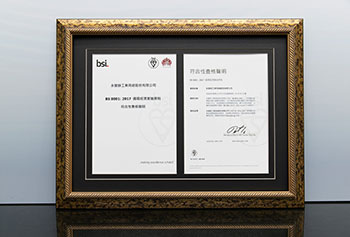
工紙 BS8001 工紙 BS8001
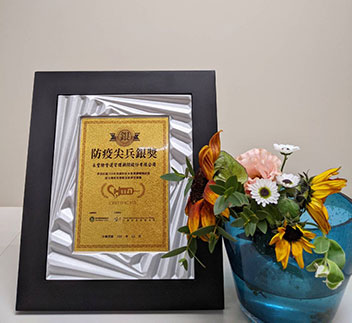
防疫尖兵銀獎 防疫尖兵銀獎
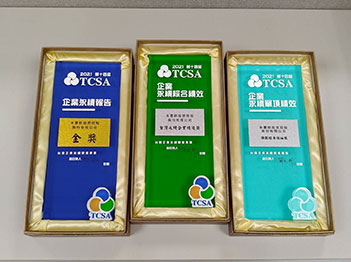
TCSA TCSA
消費品統一發票營業人獎 消費品統一發票營業人獎
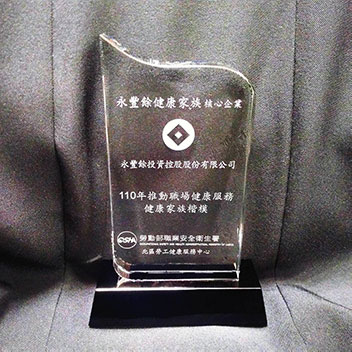
健康家族獎牌 健康家族獎牌
Harvard Business Review’s Digital Transformation Dingge Award Harvard Business Review’s Digital Transformation Dingge Award
For more corporate governance information, please refer to:
For more corporate governance information, please refer to:
The YFY Board of Directors supports and continuously advances sustainable development. In November 2018, the Board approved three codes – the Sustainability and Social Responsibility Code, the Corporate Governance Code and the Integrity Management Code – establishing YFY’s guiding principles for integrity, governance, environment and society as an important basis for management and decision-making within the Group and for communication with and compliance toward external stakeholders.
Through an institutionalized governance structure, YFY incorporates sustainability topics into Board oversight and operational management, and continues to strengthen ESG topic identification, risk management, information transparency and stakeholder communication, so that sustainable development moves beyond policy commitment and becomes embedded in day-to-day operations and decisions.
Dedicated ESG Unit
YFY has established a full-time unit, the ESG Office, responsible for coordinating Group sustainable development and ESG projects. The ESG Office also serves as executive secretary of the Sustainable Development Committee, connecting the Board, management, business groups and functional units to implement the Company’s sustainability strategy.
The ESG Office is primarily responsible for identifying material sustainability topics and formulating management policies, short-, medium- and long-term targets and action plans; strengthening Board oversight of ESG performance; introducing international sustainability standards and promoting transparent disclosure of ESG indicators; and communicating sustainability performance and engaging stakeholders, keeping the sustainability strategy aligned with the Company’s business direction.
In 2025, YFY re-performed its materiality identification in accordance with GRI 3 and the Double Materiality principle. The results, approved by the Sustainable Development Committee, serve as an important basis for annual project implementation, management policy formulation and stakeholder communication. YFY also continues to review emerging impacts that operating activities may have on environmental, social and governance aspects.
Sustainable Development Committee
YFY has promoted sustainable development since 2013, established the independent, full-time CSR Office in 2020, and renamed it the ESG Office in 2022. In the same year, the first Sustainable Development Committee was established, elevating ESG governance to the Board level. The second Sustainable Development Committee was formed in the second half of 2024, chaired by the Chairperson and composed of one director and three independent directors, with the ESG Office serving as executive secretary. Independent directors account for 60% of Committee members, strengthening independent oversight of sustainability governance.
The Sustainable Development Committee supervises ESG topics including corporate governance, environmental sustainability, employee relations, responsible supply chain, social engagement, information security and risk management. Senior executive representatives of YFY Inc. coordinate the operation of the working teams and align business groups and functional departments on implementation. Through ad hoc working meetings, cross-departmental collaboration incorporates material environmental, social and governance topics into risk assessment and internal management, and action plans and target directions are proposed accordingly.
The governance structure cascades from the Board to the Sustainable Development Committee and the executive-level working meeting, with working teams established by area of expertise – Corporate Governance, Information Security, Responsible Supply Chain, Risk Management, Environmental Sustainability, Employee Relations and Social Engagement – so that ESG topics are carried from strategic oversight through to daily operations.
Sustainable Development Committee Working Meeting Chair: YFY Chairperson
Executive Secretary ESG Office
Corporate Governance Team
Environmental Sustainability Team
Employee Relations Team
Social Engagement Team
Information Security Team
Responsible Supply Chain Team
Risk Management Team
Sustainability Governance Operations and Board Oversight
On behalf of the Sustainable Development Committee, the ESG Office reports to the Board quarterly on sustainability-related topics; the Committee convenes at least once every six months as required. In 2025, two Sustainable Development Committee meetings were held, with 100% member attendance. In the same year, the Board held 4 meetings, the Audit Committee 4, the Remuneration Committee 2 and the Sustainable Development Committee 2, with overall attendance of 100% for the Board and all three functional committees.
In 2025, topics overseen by the Sustainable Development Committee and the Board covered sustainability report preparation results, sustainability implementation, adoption of the IFRS Sustainability Disclosure Standards, GHG inventory and verification, self-determined reduction plans and annual risk-control results, as well as key emerging-risk management items for the following year, further integrating sustainability management, climate governance and enterprise risk management into the Company’s highest governance level.
In addition, the Company reports risk-management operations to the Sustainable Development Committee and the Board each year. The 2025 risk-management operations were reported on August 13, 2025. Through risk identification, response, supervision and independent review mechanisms, YFY continues to track key operating risks and the status of improvements.
ESG Internalization
YFY continues to translate ESG from a governance system into corporate culture. The governance body and senior executives participate each year in ESG education, training, forums and related courses, integrating sustainability concepts into daily work and operating decisions. Through internal education, cross-departmental exchange and hands-on business implementation, YFY continues to enhance employees’ understanding of sustainability topics and their ability to act on them.
In 2025, directors and independent directors continued to participate in relevant continuing education, and key internal managers received corporate governance training. Through various ESG training and awareness activities, the Group progressively embedded climate change, corporate governance, resource management, supply chain and other sustainability topics into the daily work and decision-making processes of each department.
Compensation of Directors and Senior Executives
In accordance with Article 30 of the Company's Articles of Association, YFY has established clear standards and procedures for determining directors' compensation, linking such compensation to the Company's financial performance. The annual allocation ratio and amount of directors' compensation are reviewed and approved by the Remuneration Committee and the Board of Directors, and subsequently reported to the shareholders' meeting. The compensation of the President and Vice Presidents comprises regular monthly compensation, including base salaries and allowances (such as position-related and meal allowances), as well as year-end bonuses and profit-sharing compensation.
The President's variable compensation consists of year-end bonuses and employee profit-sharing compensation, which are determined based on the achievement of annual performance targets and the Company's financial results. This compensation is closely linked to key corporate performance indicators, including revenue, operating profit, earnings per share (EPS), return on equity (ROE), and total shareholder return (TSR). This mechanism ensures that executive compensation is aligned with corporate performance, incentivizing senior management to drive the Company's long-term development, enhance market competitiveness, and support stable business growth.
Linking Senior Executive Compensation to ESG Performance
To implement its sustainability commitments, YFY links ESG performance to the performance management and compensation systems for senior executives. At least 30% of the annual performance targets for managers at assistant vice president level and above are tied to ESG-related indicators, so that environmental, social and governance objectives are further embedded in management’s daily decisions and division of responsibilities.
Performance indicators are set according to managerial role and scope of responsibility, covering sustainability topics such as corporate governance, information security, supply chain management, health and safety, human capital development, greenhouse gas emissions, the Circular Economy, energy management, and water and waste management. The Sustainable Development Committee supervises the performance-evaluation process to maintain the objectivity and professionalism of the system.
Variable compensation for the President and senior executives is linked to ESG performance indicators, and performance results affect their year-end bonuses, employee remuneration and promotion opportunities, using compensation incentives to encourage management to incorporate sustainability targets into business decisions. As disclosed in the 2025 Sustainability Report, director remuneration is not yet linked to ESG performance.
Position
Performance Indicators
Implementation (Weighting)
President
Sustainability and internal control indicators 30%
Committed to fulfilling sustainability pledges, with emphasis on Integrity Management, regulatory compliance and risk control, and implementing key ESG initiatives; specific actions in corporate governance and risk management account for at least 10% of the indicators.
Senior executives
Sustainability and internal control indicators 30% Weighting combinations vary by managerial role
Corporate governance
Information security
Supply chain management
Health and safety
Human capital development
Greenhouse gas emissions
Circular Economy
Energy management
Water and waste management
Material Topics and Stakeholder Communication
Through materiality identification and stakeholder engagement, YFY continues to understand the impacts its operations have on the economy, environment and society, as well as the risks and opportunities that sustainability topics may bring to the Company's operations and finances, and incorporates the results into its sustainability strategy, annual projects and management actions.
In accordance with GRI 3 and the Double Materiality principle, YFY plans to re-perform its materiality identification every three years and carried out this full identification in 2025. Approved by the Sustainable Development Committee, the results serve as an important basis for advancing annual sustainability projects, formulating management policies and communicating with stakeholders. The Company also reviews each year whether operating activities create new impacts on environmental, social and governance aspects, and continuously adjusts its management strategies and action plans.
For stakeholder engagement, YFY refers to the AA1000SES Stakeholder Engagement Standard and applies five principles – responsibility, influence, tension, diverse perspectives and dependency – to identify eight major stakeholder groups: employees, customers, shareholders/investors, competent authorities, suppliers/contractors, media, communities/NGOs, and partners/affiliated enterprises. Corresponding communication and grievance channels are established for each group. No grievance cases occurred in 2025.
Materiality Identification Process
1
Topic Identification
Material topics from the previous reporting cycle, the AA1000SES Stakeholder Engagement Standard, the FSC ESG Evaluation (formerly the Corporate Governance Evaluation), sustainability disclosure standards such as GRI, SASB and DJBIC, and major domestic and international sustainability trends and policies. Following assessment, 28 sustainability topics were identified in 2025.
→
2
Topic Assessment
Impact materiality: internal and external stakeholder questionnaires collected views on the impacts the Company creates externally across the 28 topics. For the 2025 impact assessment, 91 valid questionnaires were returned.
Financial materiality: two core senior management executives scored the 28 topics on the magnitude of financial impact on the Company and the likelihood of occurrence.
→
3
Identification and Prioritization
Based on the questionnaire results, impact materiality scores (average impact magnitude × average likelihood) and financial materiality scores (average financial impact magnitude × average financial likelihood) were calculated separately and used to build the Double Materiality Matrix. The identification produced 11 material topics, five fewer than the prior year; of these, 6 were retained, 10 removed and 5 added.
→
4
Disclosure and Reporting
For the 11 material topics, relevant internal information, data and management approaches are collected and disclosed in the corresponding chapters in accordance with the disclosure requirements of the GRI Standards.
Double Materiality Matrix
In 2025, YFY further adopted the concept of double materiality, assessing sustainability topics from two distinct but interrelated perspectives: the actual or potential impacts of business operations on the environment and society, and the effects that sustainability topics may have on the Company's finances, operations and long-term enterprise value.
The Double Materiality Matrix uses "magnitude of impact on society and the environment" and "magnitude of impact on the Company's financials" as its two assessment axes, identifying key topics against the average thresholds for impact materiality and financial materiality. This ensures that management of material topics not only responds to stakeholder concerns but also connects with enterprise risk, resource allocation and business strategy.
Double Materiality Matrix
Low financial / High impact
High financial / High impact
Low financial / Low impact
High financial / Low impact
Average financial materiality threshold
Average impact materiality threshold
Low-Carbon Market Transition
Material / Product R&D
Geopolitics and Logistics
Supply Chain Management
Corporate Governance
Information Security
Regulatory Compliance
Products and Services
Operating and Financial Performance
Fuel Cost Volatility
Process and Energy Efficiency
Green Electricity Market
Carbon Management
Air Pollution Management
Resource Circularity Management
Climate Change
Water Resource Management
Energy and Carbon Services
Biodiversity
Talent Cultivation and Development
Knowledge Transfer
Occupational Health and Safety Management
Community Communication and Care
Working Hours Management
Privacy Protection
Workplace Environment
Labor Relations
Migrant Worker Rights
High
Low
Magnitude of impact on society and the environment
Low
High
Magnitude of impact on the Company’s financials
Governance / Economy
Environment
Social
Material topics
Eleven material topics were identified in 2025:
Governance / Economy
Environment
Geopolitics and Logistics
Material / Product R&D
Low-Carbon Market Transition
Carbon Management
Climate Change
Fuel Cost Volatility
Process and Energy Efficiency
Green Electricity Market
Water Resource Management
Resource Circularity Management
Air Pollution Management
Changes in Material Topics
As sustainability trends, the policy environment and the Company's operating risks continue to evolve, YFY also reviewed the names and management scope of its material topics. Among the 11 material topics for 2025, several existing topics were further consolidated or renamed – for example, "Climate Change and Carbon Emissions" became "Carbon Management," "Energy Management Introduction" became "Process and Energy Efficiency," "Water Resource Management Introduction" became "Water Resource Management," and "Resource Recovery and Circular Economy" became "Resource Circularity Management." Geopolitics and Logistics, Low-Carbon Market Transition, Climate Change, Fuel Cost Volatility and Green Electricity Market were added in response to the transition environment the Company currently faces.
Compared with the previous year, 10 material topics were removed in 2025: Corporate Governance Misconduct, Dishonest Incidents, Regulatory Breaches, Supply Chain Mismanagement, Enhancement of Operational and Financial Performance, Waste Emissions Non-compliance, Employee Training and Development, Talent Retention and Recruitment, Occupational Accident, and Workplace Human Rights Violations. Their removal reflects a change in this year’s materiality identification results and does not mean these topics are no longer managed.
Impact Assessment of Material Topics and Value Chain Mapping
For the 11 material topics, YFY further identified the positive/negative and actual/potential impacts they create for the Company and the external environment, and examined whether those impacts occur in the upstream supply chain, its own operations or the downstream value chain, extending management of material topics from a single operating boundary to the complete value chain.
For example, Geopolitics and Logistics may affect raw-material supply, cross-border logistics costs and delivery lead times; Material / Product R&D and Low-Carbon Market Transition may drive product upgrading, new revenue sources and brand value, but also entail R&D investment and market transition costs. Climate- and energy-related topics cover risks and opportunities including carbon fees, extreme climate, fuel prices, energy efficiency and the green electricity market; Water Resource Management, Resource Circularity Management and Air Pollution Management relate directly to production continuity, resource costs, environmental pollution and community relations.
Through value chain mapping, YFY links material topics to the relevant operating units, management policies and disclosure standards, and uses this basis to plan management actions, resource allocation and performance tracking, continuously enhancing its ability to respond to sustainability risks and capture transition opportunities.
Material Topic Impact Assessment and Value Chain Mapping
Impact Assessment of Material Topics and Value Chain Mapping
● Governance / Economy◆ Environment▲ Social● Positive Actual Impact○ Positive Potential Impact■ Negative Actual Impact□ Negative Potential Impact
Material Topic
Impact Description
Corresponding Chapter
Page
Value Chain Mapping
GRI Topic Standards
Material Topic Change*
Upstream
Operations
Downstream
● Geopolitics and Logistics
Changes in international conditions and trade policies affect raw-material supply and transport stability. ■ Cross-border logistics costs increase and delivery lead times become unstable. □ Maritime volatility and longer routes may disrupt continuity of raw-material supply.
Risk Management; Raw Material Risk Control and Sustainable Forestry; Supply Chain Management
55 68 69
V
V
Custom Topic
New
● Material / Product R&D
Continued investment in low-carbon materials and product technologies enhances competitiveness. ● Revenue sources increase and brand loyalty improves. ■ Development costs rise and pressure for technological upgrades is high. □ Intellectual property may be infringed.
YFY's Strategic Transition; Product Stewardship
12 110
V
302-3, 305-4
Topic retained but renamed; formerly “Growth in Business and Product Competitiveness”
● Low-Carbon Market Transition
Market demand is gradually shifting toward low-carbon products and services. ● Drives product upgrading. □ Investment costs increase.
Energy Management and Measures
96
V
V
Custom Topic
New
◆ Carbon Management
Carbon fees and emissions-control policies affect corporate operations. ● Compliant carbon management can reduce carbon fees and create low-carbon business opportunities. ○ If emissions in Mainland China are below allowances, surplus allowances may be sold to generate revenue. ■ Carbon-fee implementation increases operating costs. □ If emissions in Mainland China exceed allowances, sufficient allowances must be purchased.
Greenhouse Gas Emissions
90
V
V
305-1–2, 305-5
Topic retained but renamed; formerly “Climate Change and Carbon Emissions”
◆ Climate Change
Climate change may increase the impacts of extreme-weather events. ■ Extreme climate raises disaster losses and repair expenditure. □ Extreme climate may cause unstable power supply and production stoppages.
IFRS S2 Climate-related Disclosures
59
V
Custom Topic
New
◆ Fuel Cost Volatility
International developments may cause energy and fuel costs to fluctuate. ● Accelerates the low-carbon transition and improvements in energy efficiency. ■ Operating costs increase. □ Supply-chain and operational stability may be affected.
Risk Management; Greenhouse Gas Emissions; Energy
55 90 93
V
V
Custom Topic
New
◆ Process and Energy Efficiency
Process improvements and equipment investment improve energy-use efficiency and thereby affect operating costs and the environment. ● Energy costs decline, resource-use efficiency improves, and carbon reduction is supported. ■ Energy-saving equipment requires high investment costs. □ Management failure may cause waste and pollution.
Energy
93
V
V
302-1, 302-4
Topic retained but renamed; formerly “Energy Management Introduction”
◆ Green Electricity Market
Demand in the green electricity and related certificate markets continues to change. ● Self-use of green electricity reduces costs; external sales create revenue; sales of green electricity certificates increase revenue. □ Market supply-demand imbalance increases risks in electricity sales and certificate trading.
Energy
93
V
V
Custom Topic
New
◆ Water Resource Management
Water-use efficiency and pollution prevention are related to production continuity and social responsibility. ● Water-resource costs decline and water-pollution disputes are reduced. ■ Water-saving equipment requires high investment costs. □ Water shortages may interrupt production, and poor water-use efficiency may increase water-consumption charges.
Water
102
V
V
303-1–5
Topic retained but renamed; formerly “Water Resource Management Introduction”
◆ Resource Circularity Management
Effective resource recovery and reuse, together with circular-economy concepts incorporated into product design, improve resource efficiency and reduce environmental burden. ● Raw-material and waste-treatment costs decline while resource reuse and new business opportunities increase. ■ Initial investment costs are high; improper waste treatment may cause fines and pollution. □ Immature new technologies may reduce benefits.
Net Zero Circularity of YFY; Supply Chain Management; Energy/Water Management; Waste
13 69 93 102 113
V
V
301-1–2, 306-1–5
Topic retained but renamed; formerly “Resource Recovery and Circular Economy”
◆ Air Pollution Management
Reducing air-pollutant emissions protects public health and environmental quality. ● Proper management reduces fines and improves the workplace environment. ■ Investment in air-pollution-control equipment increases costs. □ Poor management may lead to neighborhood complaints or government penalties.
Non-GHG Emissions
108
V
V
305-7
Topic retained but renamed; formerly “Air Pollution Non-compliance”
* Compared with the previous year, 10 material topics were removed in 2025: Corporate Governance Misconduct, Dishonest Incidents, Regulatory Breaches, Supply Chain Mismanagement, Enhancement of Operational and Financial Performance, Waste Emissions Non-compliance, Employee Training and Development, Talent Retention and Recruitment, Occupational Accident, and Workplace Human Rights Violations.
Value Creation and External Impact Management of Material Topics
YFY further manages material sustainability topics from two perspectives: enterprise value creation and impacts on external stakeholders. For topics affecting operations and long-term competitiveness, YFY assesses their materiality to operations, risks and opportunities, and sets specific response strategies, management targets and annual performance. For topics that may affect employees, the environment and other external stakeholders, YFY identifies the causes of impact, the affected parties and the nature of the impact, and links them to the relevant management chapters and improvement measures. This framework carries materiality identification results through into operating decisions, resource allocation and performance tracking.
Material Issues and Materiality Metrics for YFY's Value Creation
Topic
Materiality to YFY
Im-pact Type
Response Strategy
Target / Indicator
Tar-get Year
2025 Progress
Carbon Management
Climate change is accelerating decarbonization and the Energy Transition. From the use of materials, energy and water to strengthening infrastructure resilience, this creates significant impacts and challenges for YFY's operations.
Risk
Center on coal substitution with alternative fuels, including lignin power generation, Biogas Power Generation System, and Resource-Recycling Fuel CHP systems.
Advance process electricity saving and install solar power.
Continue sustainable forestry management to maintain forest carbon sinks.
Develop Saccharide Economy green materials, replacing plastics with saccharides.
Carbon and energy management.
Using 2021 as the base year, reduce carbon emissions 16% by 2030 and 50% by 2040.
2030, 2040
Carbon emissions of the three business groups in Taiwan, Mainland China and Vietnam were down 9.5% versus 2021.
Carbon emissions in Taiwan were down 19.9% versus 2021.
Resource Circularity Management
YFY's zero-waste, full-utilization approach to waste-to-resource conversion is the concrete practice of the Circular Economy.
Revenue
With the Saccharide Economy as the basis for materials and energy, build five full-cycle systems – agriculture, paper, renewable energy, water and carbon – and combine them with digital technology to move toward a carbon-technology industry model centered on the Circular Economy and smart energy.
Waste-to-resource ratio of 87%
2026
94%
Process and Energy Efficiency
YFY has extensive distributed renewable energy. Making energy use intelligent saves energy, reduces carbon and creates economic incentives, opening the way to diversified applications.
Revenue
Strengthen deployment in renewable energy, energy storage and the Carbon Cycle, including renewable energy and energy management, expand the biomass share, and transform toward digitalization and intelligence.
Green alternative energy (biomass + alternative fuels) share of 35%
2026
36%
Material Issues and Materiality Metrics for External Stakeholders
Topic
Cause of Impact
Affected External Stakeholder Group
Relevance to External Stakeholders
Output Metric
Impact Valuation
Impact Metric
Occupational Safety and Health Management
Business value chain: Company operations.
Business activitiy coverage: 100% of business activity.
External workers (contractors)
Zero occupational accidents and ensuring personnel safety are the highest priority. The civil compensation, administrative liability and criminal prosecution arising from occupational accidents have considerable consequences for contractors and for YFY. Health and safety management and training must be implemented to prevent occupational accidents.
Impact type: negative
Work-related fatalities among contract-ors: 1.
Premature mortality burden: One reported work-related contractor fatality in 2025 was converted into a scenario estimate of years of life lost (YLL). The model assumes 40 remaining life-years.
40 modeled YLL, conditional on the assumed 40 remaining life-years; a 20–50-year assumption yields 20–50 YLL.
Resource Circularity Management
Business value chain: Company operations.
Business activity coverage: 100% of business activity.
Environment
Production residues, wastewater and similar outputs from the papermaking process must be properly treated and meet environmental standards before discharge, ensuring impacts on the environment are minimized.
Impact type: negative
Waste-to-resource ratio: 94%; recycled: 534,879 t.
Environmental value lost/gained: A screening model applies published LIME3 environmental damage factors to the 25,514 t incinerated without energy recovery and 601 t landfilled in 2025. The factors are transferred from a Shanghai municipal-waste study to YFY's industrial waste.
USD 423,350 in estimated external environmental damage on the source study's dollar basis: USD 409,245 from incineration plus USD 14,105 from landfilling. This is a transferred-factor screening estimate.
IFRS S2 Climate-related Disclosures
Extreme climate, carbon pricing, the Energy Transition, water-resource stress and low-carbon market demand arising from climate change are progressively affecting operating costs, asset resilience, supply chain management and product competitiveness across manufacturing. Since 2021, YFY has followed the Task Force on Climate-related Financial Disclosures (TCFD) framework to identify climate-related risks and opportunities, and continues to deepen climate governance and assessment of financial effects.
In 2025, YFY further adopted the International Financial Reporting Standard S2 (IFRS S2) climate-related disclosure framework to comprehensively identify and manage climate-related risks and opportunities, and to further integrate climate topics with corporate governance, strategy, risk management, financial effects and performance indicators. The IFRS S2 reporting entity is YFY Inc. and all subsidiaries included in its consolidated financial statements; the reporting boundary is, in principle, aligned with the scope of the consolidated financial statements.
Climate Governance
The YFY Board of Directors is the highest oversight body for climate-related risks and opportunities, and implements climate governance through the Board-level Sustainable Development Committee. The Committee is chaired by the Chairperson and includes one director and three independent directors, and is responsible for supervising sustainable development and climate-related strategies, targets and implementation.
To support adoption of the IFRS S1/S2 Sustainability Disclosure Standards, YFY has established an IFRS project-team governance structure comprising functional representatives from sustainability, risk management, internal audit, finance and accounting, regulatory compliance and significant subsidiaries. Led by the project-team chair, cross-departmental management convenes working meetings as needed to identify, assess, manage and consolidate information on climate-related risks and opportunities, with key results escalated to the Sustainable Development Committee and the Board for oversight.
Sustainability Governance Unit: Sustainable Development Committee
IFRS Project TeamChair
Sustainability Functional Representatives
Finance & Accounting Functional Representatives
Risk Management Functional Representatives
Regulatory Compliance Functional Representatives
Internal Audit Functional Representatives
Significant Subsidiaries
Climate Risk Management Framework and Assessment Process
YFY has incorporated climate-related risks and opportunities into its enterprise-wide risk management system. Under the Sustainable Development Committee governance structure, the IFRS project team is responsible for identifying, assessing and managing climate-related risks and opportunities through cross-departmental collaboration, while the Risk Management Team maintains horizontal communication with the IFRS project team so that climate topics are effectively integrated into the Company's overall risk management mechanism.
Climate risk and opportunity management proceeds through four stages: identification, assessment, prioritization, and monitoring and reporting. A topic list is first established with reference to international climate events, industry trends, domestic and overseas policies and regulations, research by authoritative institutions and the Company's operating characteristics. Functional representatives of the IFRS project team and each subsidiary then conduct impact assessments, prioritize topics by materiality and formulate response strategies. Management status, performance indicators and financial effects are subsequently tracked and reported periodically to the Sustainable Development Committee and the Board. Each climate risk and opportunity is ranked for materiality by “impact magnitude × likelihood of occurrence,” and scores of 6 or above are classified as key risks or opportunities.
Climate Risk and Opportunity Assessment
Through climate topic identification and materiality assessment, YFY identified its material climate-related risks and opportunities, and further applied value chain, climate scenario and financial impact analysis to examine the effects of each topic on operations and enterprise resilience. Ranking topics for materiality by impact magnitude and likelihood of occurrence, YFY identified three material climate risks and three material climate opportunities in 2025. The risks, in order, are "carbon-fee self-determined reduction measures not implemented as planned," "increasingly severe extreme climate," and "water-resource shortages and stricter effluent standards"; the opportunities are "commercialization of energy and carbon management services," "low-carbon material / product R&D," and "process optimization and equipment investment to reduce energy use and costs."
Material Climate-related Risks
Risk Type
Material Issue
Time Horizon
Main Impact
Transition Risk
Carbon-fee self-determined reduction measures not implemented as planned
Short / Medium / Long
Taiwan carbon-fee implementation and China's emissions trading system make carbon costs increasingly explicit, affecting operating costs or allowance costs. In addition, failure to implement the carbon-fee self-determined reduction measures as planned could further increase carbon-related costs and push up overall operating costs.
Physical Risk
Increasingly severe extreme climate
Short / Medium / Long
Typhoons, floods, extreme rainfall, prolonged-rainfall flooding and drought may cause supply disruptions, equipment or finished-product damage, production stoppages, logistics delays and higher water costs.
Transition Risk
Water-resource shortages and stricter effluent standards
Short / Medium
Climate change may cause water shortages, while stricter effluent standards may increase investment in water-recycling and treatment equipment, water-pollution fees or compliance costs.
Material Climate-related Opportunities
Opportunity Type
Material Issue
Time Horizon
Main Impact
Products & Services / Markets
Commercialization of energy and carbon management services
Short / Medium / Long
Export capabilities in Biogas Power Generation System, smart energy, virtual power plants, carbon-management platforms and renewable-energy deployment to create revenue from electricity sales, services and certificates.
Products & Services
Low-carbon material / product R&D
Medium / Long
Develop green products, bio-based materials, saccharide-based materials and low-carbon processes to expand low-carbon product revenue and market competitiveness.
Resource Efficiency
Process optimization and equipment investment to reduce energy use and costs
Short / Medium / Long
Energy saving, equipment replacement, alternative fuels, AI and digital management reduce energy use and unit costs.
Effects of Climate Risks and Opportunities on the Business Model and Value Chain
YFY's core operations span Forest, Pulp & Paper, Containerboard and Packaging, Consumer Products and related investment businesses. Its processes are energy-intensive, use water resources and rely on raw-material circularity. Carbon fees, energy prices, power-supply stability, water-resource management, demand for low-carbon products and extreme-climate events may therefore all affect operating costs, capital expenditure, production stability, product mix and investment direction. On this basis, YFY incorporates climate risks and opportunities into business strategy and capital-allocation decisions, and continues to advance carbon reduction, the Energy Transition, low-carbon products and smart energy.
Business Dimensions: Current and Expected Effects and Response Directions
Business Dimension
Current and Expected Effects
Response Direction
Carbon Fees and Carbon Management
Taiwan's carbon fee and carbon-pricing systems in other regions are making carbon costs increasingly explicit, which may raise operating costs and further affect product costs, quotations and customer contract terms.
Advance the self-determined reduction plan, data-driven carbon management and internal carbon pricing to strengthen tracking and management of carbon costs.
Energy Prices and Power-Supply Resilience
Volatility in fuel and electricity prices, power-supply stability and Energy Transition requirements may raise manufacturing costs and operational uncertainty.
Advance energy saving, biomass energy, alternative fuels, solar power, energy storage, microgrids and improvements in energy efficiency.
Water Resources and Environmental Regulations
Water-resource shortages and stricter effluent standards may increase costs for water withdrawal, water treatment, water-recycling equipment and regulatory compliance.
Improve water-recycling efficiency and optimize process-water use and wastewater-treatment capability to reduce water-shortage and regulatory risks.
Product and Market Transition
Rising customer demand for low-carbon, plastic-reduction and bio-based materials and for products with environmental performance may change the product mix and the direction of R&D investment.
Develop saccharide-based materials, organic non-plastic materials, low-carbon paper and other green products to strengthen the competitiveness of low-carbon products.
Emerging Energy and Carbon Services
Growing demand for green electricity, certificates, smart energy, virtual power plants and carbon management is creating new service and revenue opportunities.
Export internal energy and decarbonization capabilities to develop smart energy, carbon-management platforms, Biogas Power Generation System and related services.
Beyond its own operations, YFY extends climate impact assessment to upstream raw materials, manufacturing operations, product R&D, downstream customers and external markets, identifying the supply, cost, market and transition risks each value chain stage may face, and strengthens overall value chain resilience through supplier backup arrangements, energy and process improvements, low-carbon product development, and energy and carbon management services.
Value Chain Stages: Current and Expected Effects and Response Directions
Value Chain Stage
Current and Expected Effects
Response Direction
Upstream Raw Materials
Extreme climate may destabilize raw-material supply, interrupt transport or increase procurement costs.
Establish climate-risk tiering and backup mechanisms for raw materials and suppliers, and increase use of local and circular resources.
Manufacturing Operations
Carbon fees, energy prices, power-supply stability, water resources and water-pollution regulations may raise operating costs and capital expenditure.
Promote energy saving, alternative fuels, biomass, Biogas Power Generation System, solar power, energy storage, microgrids, water recycling and process optimization.
Products and R&D
Customer and market demand for low-carbon materials, plastic-reduction materials and Environmental Label products is increasing.
Develop saccharide-based materials, organic non-plastic materials, low-carbon paper and other green products.
Downstream Customers
Customers face requirements for carbon reduction, carbon inventories and low-carbon procurement in supply chains, which further affect procurement terms and collaboration models.
Provide verifiable low-carbon products, energy management and carbon-management services to strengthen advantages in low-carbon contracts.
External Markets
Demand is growing for green electricity, certificates, carbon management, smart energy and Waste-to-Resource solutions, driving new types of market opportunity.
Develop electricity sales, renewable-energy certificates, smart energy, virtual power plants, carbon-management platforms, and food-waste/wastewater-to-biogas power services.
Climate-related Financial Effects
YFY links material climate risks and opportunities to financial effects, assessing their current and expected effects on operating costs, capital expenditure, revenue and disaster losses. Climate risks may raise expenditure related to carbon costs, water-resource management and disaster prevention; conversely, improvements in energy efficiency, low-carbon product R&D, and energy and carbon management services may reduce operating costs and create new revenue sources. As some financial effects still depend on actual operating data, equipment-investment plans, carbon-fee rates and market transaction prices, quantitative information will continue to be updated based on financial settlement and management-approved results.
Current and Expected Financial Effects of Climate Risks and Opportunities
Type
Material Issue
Current Financial Effect
Expected Financial Effect
Risk
Carbon-fee self-determined reduction measures not implemented as planned
Taiwan carbon-fee implementation may raise operating costs. Under Mainland China's carbon trading system, emissions above allowances require allowance purchases and increase costs.
As carbon costs become increasingly explicit, product costs and contract competitiveness may be affected. If actual emissions are below allowances, sales of surplus allowances may generate revenue.
Risk
Water-resource shortages and stricter effluent standards
Stricter effluent standards may raise water-treatment, compliance and water-pollution fee costs; needs for water withdrawal, treatment and recycling may also create equipment investment and depreciation.
Drought and tighter water regulations may further increase water-withdrawal costs, water-consumption charges, capital expenditure for water recycling, and operating and maintenance costs.
Risk
Increasingly severe extreme climate
Typhoons, floods and extreme rainfall may damage equipment or finished goods, increasing repair expenses, insurance costs and production-stoppage losses.
Greater frequency and intensity of extreme weather may increase disaster-prevention capital expenditure, insurance costs, and inventory and supply-chain backup costs.
Opportu- nity
Process optimization and equipment investment to reduce energy use and costs
Investment in energy saving, biomass, alternative fuels, solar power and energy storage increases initial capital expenditure and depreciation, while simultaneously reducing costs for coal, purchased electricity and energy use.
As energy efficiency improves and alternative-fuel use expands, unit energy costs and carbon costs may decline further, improving cost competitiveness.
Opportu- nity
Low-carbon material / product R&D
Developing low-carbon products can increase green-product revenue while generating R&D expense, equipment expenditure and depreciation.
As market demand rises for low-carbon products and products with certifications or Environmental Labels, green-product revenue growth may be further driven.
Opportu- nity
Commercialization of energy and carbon management services
External biogas-electricity sales, smart energy, virtual power plants, carbon-management services and renewable-energy certificates already have the potential to generate revenue.
As biogas, biomass and lignin power-generation capabilities mature, revenue from electricity sales, certificates, and energy and carbon management services may expand further.
Climate Scenario Analysis and Assessment of Climate Resilience
To assess the potential effects of climate change on operational and financial resilience, YFY refers to the updated Taiwan climate assessment report published by the National Science and Technology Council TCCIP team and to the IPCC Sixth Assessment Report (AR6), and uses the high-emissions scenario SSP5-8.5 as the basis for physical-risk stress testing, assessing the operational disruption, asset losses and cost increases that climate events such as typhoons, floods, extreme rainfall and drought may cause.
Under the scenario assumptions, the average increase in annual maximum consecutive dry days by the middle of the 21st century is approximately 5.5%, while the rate of change in typhoon-related rainfall affecting Taiwan may increase by 20%. The assessment indicates that extreme-climate events do not currently have a significant overall financial effect on YFY. Nevertheless, in view of the increasing frequency and intensity of climate events, the Company will continue to strengthen disaster prevention, operational backup and climate-resilience investment to reduce the long-term physical-risk impact on production and the supply chain.
YFY also uses the International Energy Agency’s Net Zero Emissions by 2050 Scenario, with a temperature alignment of 1.5°C or lower, to assess organization-wide transition risks over the 2030, 2040 and 2050 time horizons. The analysis considers policy, market, technology and reputational risks and incorporates Taiwan’s announced carbon-fee mechanism into short- and medium-term carbon-cost assessments. The findings inform investment and capital allocation decisions relating to coal substitution, biomass energy, solid recovered fuel cogeneration, biogas power generation and low-carbon materials.
Climate-related Metrics and Targets
YFY continues to track climate management performance through indicators including greenhouse gas emissions, emission intensity and reduction progress, using the results as an important basis for its carbon-reduction strategy, the Energy Transition and resource allocation. In 2025, combined Scope 1 and Scope 2 emissions of YFY Inc. and all subsidiaries included in its consolidated financial statements totaled approximately 2.409 million metric tons CO2e, a decrease of 3.1% from the 2024 base year of approximately 2.487 million metric tons CO2e; 2025 emission intensity was 32.7 metric tons CO2e per NT$ million of revenue. Using 2024 as the greenhouse gas reduction base year, the Company has set Scope 1 and Scope 2 reduction pathways of -2% by 2026, -22% by 2035, -50% by 2040, and net zero by 2050. 2025 emissions were 3.1% below the base year, achieving the phased annual reduction progress.
2024
2025
Emissions
Intensity
Emissions
Intensity
YFY Inc. (parent company)
Scope 1
12
13
Scope 2
32
29
Subtotal
44
42
All subsidiaries in consolidated financial statements
Scope 1
2,105,878
2,033,628
Scope 2
380,636
375,653
Subtotal
2,486,514
2,409,281
Total
2,486,558
31.7
2,409,323
32.7
* Due to third-party verification capacity and scheduling, the emissions figures above will be updated in the ESG section of the Company website if adjusted after third-party verification.* Emissions unit: metric tons CO2e; intensity unit: metric tons CO2e per NT$ million of revenue.
Internal Carbon Price
To further incorporate climate risks and carbon-reduction benefits into financial and investment decisions, YFY has introduced an internal carbon pricing mechanism. The internal carbon price is derived from the initial investment and subsequent operation and maintenance costs required for each plant's carbon-reduction measures, together with the expected cumulative Scope 1 and Scope 2 reductions, to estimate the carbon-reduction cost per metric ton of emissions. The Company uses a shadow-price mechanism, prioritizing subsidiaries that are listed companies and significant emission sources, and progressively applying it to new investment cases, procurement and related capital-expenditure evaluations. By converting carbon-reduction benefits into financial value and combining this with Payback Period and investment-benefit analysis, YFY can compare the cost-effectiveness of different reduction options and direct capital allocation more effectively toward energy efficiency, process improvement, renewable energy and low-carbon technology investments.
Management Framework
YFY has established Risk Management Policies and Procedures. The Board-level Sustainable Development Committee oversees risk management in accordance with those procedures, and a Risk Management Team under the Committee promotes Group-wide risk identification and management covering strategic, financial, operational, information security and regulatory compliance risks and the related controls.
The Company reports risk-management matters regularly to the Sustainable Development Committee and the Board. Following the report on the risk-management organizational structure and procedures to the Board on November 13, 2023, risk-management operations have been reported annually; 2025 operations were reported on August 13, 2025. YFY continues to propose, implement and revise risk-management measures in line with changes in the operating environment and risk profile, and tracks the status of each risk.
YFY follows an enterprise risk management framework and has established three lines of defense, dividing responsibilities and providing checks and balances among operating units, the Risk Management Team and independent audit to strengthen enterprise risk identification, response and oversight. Through this division of responsibilities and collaboration, YFY continues to build a corporate risk-management culture, progressively shifting risk management from after-the-fact response toward advance identification, early warning and continuous improvement, in support of long-term stable operations and the protection of stakeholder interests.
Three Lines of Defense
Responsible Unit
Risk Management Responsibilities
First Line
Operating Management Units
Core responsibility for risk identification, analysis, assessment and response; crisis-management mechanisms are established when necessary to ensure stable operations.
Second Line
Risk Management Team under the Sustainable Development Committee
Supervises implementation of the risk-management mechanism
Formulates risk-management policies
Provides strategic guidance to strengthen enterprise-wide control
Third Line
Auditing Office
Establishes and conducts audits under the Regulations Governing Establishment of Internal Control Systems by Public Companies, performing independent reviews of risk-management implementation at the Company and its subsidiaries.
Risk Assessment Process
Each year YFY reviews the risks that the parent company and its subsidiaries may face in key operating activities, covering strategic, financial, operational, market and regulatory compliance areas, and includes emerging risks in the assessment in order to respond to operating challenges arising from rapid change in the external environment. For 2025, the assessment was further conducted through matrix and questionnaire evaluation across three dimensions – probability, impact magnitude and financial loss – identifying 56 risk indicators. Risk topics were first assessed and screened by the responsible units, then reviewed by the Risk Management Team and management, and finally submitted to the Sustainable Development Committee for deliberation to confirm the priority risks for the year and the order of resource allocation.
Risk Exposure = Probability × Impact
Low Risk ≤ 20
21 < Medium Risk < 59
High Risk ≥ 60
Impact (Impact Magnitude)
10
9
8
7
6
5
4
3
2
1
Low Risk: 41 cases Risk Appetite
Medium Risk: 13 cases
Risk Tolerance
High Risk: 2 cases
Risk Treatment
1
2
3
4
5
6
7
8
9
10
Probability (Likelihood of Occurrence)
High Risk – Risk Treatment: the risk level exceeds the acceptable range; necessary treatment measures are required to reduce the risk.
Medium Risk – Risk Tolerance: active management strategies are required to control the risk.
Low Risk – Risk Appetite: the risk level is within the tolerable upper limit; appropriate management strategies are applied for monitoring.
Based on the 2025 risk matrix, the 56 risks comprised 2 high risks, 13 medium risks and 41 low risks. High risks fall within the scope of Risk Treatment, where necessary measures must be taken to reduce risk; medium risks fall within Risk Tolerance, requiring active management strategies; and low risks fall within Risk Appetite, subject to continuous monitoring and timely adjustment of management measures. To improve the accuracy of financial-loss assessment, YFY has also continued to optimize its risk questionnaire: operating units in the first line of defense define loss ranges, and the Risk Management Team then performs an overall assessment based on financial-loss rankings and the judgment of dedicated risk personnel. Through resource allocation by management and final selection by the Sustainable Development Committee, risk-management resources are focused on the topics with greater operational impact.
2025 Priority Risks and Response Strategies
Key Risk: Low-Carbon Transition and Regulatory Alignment
Faced with the rapid development of the global net-zero transition, carbon pricing and energy policy, YFY identified compliance with regulatory expectations and the setting of self-determined targets for energy saving and carbon reduction as a key risk-management topic in 2025. Energy efficiency, carbon emissions and fuel transition involve not only regulatory compliance but also future carbon costs, supply chain competitiveness and long-term operational resilience. YFY continues to advance its self-determined reduction plan and to reduce fossil-fuel dependence through fuel transition and adjustment of its energy structure, including a lignin-based biomass energy system at the Hualien Plant and a plan to replace coal at the Kaohsiung Plant, together with the installation of wood-pelletizing equipment and optimization of the resource-recycling fuel supply chain, in order to reduce Scope 1 and Scope 2 emissions.
Beyond operational decarbonization, YFY continues to strengthen product carbon management. In collaboration with the International Climate Development Institute (ICDI), YFY established the world’s first Corporate Standard for Carbon Emissions of Paper Products, which passed authoritative verification by TÜV Rheinland and received an assurance statement. Developed with reference to the calculation framework of the Confederation of European Paper Industries (CEPI) and ISO 14067:2018, the standard assesses carbon emissions and removals at each life-cycle stage of paper products through historical data analysis, on-site production data collection and internal surveys, establishing a quantification basis for the carbon emissions of paper products and serving as an important reference for future low-carbon product development and carbon management. Through parallel progress in energy transition, process decarbonization and product carbon management, YFY continues to convert regulatory and carbon-cost risk into momentum for low-carbon transition, strengthening supply chain competitiveness and long-term operational resilience.
Emerging Risks: Technical Talent and Natural Capital Resilience
As senior personnel retire, core process knowledge and practical experience may be lost through personnel turnover, affecting product quality, process stability, troubleshooting efficiency and technological innovation. YFY has therefore identified the knowledge-transfer gap as a core emerging risk for 2025. The Company is advancing a dual strategy of digital knowledge retention and intergenerational transfer: knowledge-management platforms and SOP digitalization convert the tacit experience of senior personnel into organizational knowledge; AI process diagnostics and smart inspection improve process monitoring and problem-analysis efficiency; and succession by younger managers combined with learning-by-doing arrangements with senior advisors accelerates experience transfer and the building of a talent pipeline.
YFY’s raw materials and processes are closely related to forests, plant fibers, water resources and ecosystems. As global requirements relating to biodiversity, natural capital and deforestation-free supply chains increase, natural-environment degradation and related regulations may progressively affect raw-material access, supply chain management, traceability requirements and long-term operational resilience. YFY has incorporated nature-related risks into operating decisions and risk management and conducts nature-related risk and opportunity assessment with reference to the TNFD framework. The Company has set long-term targets of achieving Net Positive Impact (NPI) on the environment and ecosystems and No Gross Deforestation (NGD) by 2040, and strengthens natural-capital resilience through sustainable forest management, raw-material traceability, biodiversity risk assessment and supply chain management. In supply chain management, the Supplier Code of Conduct incorporates no-deforestation requirements and FSC/PEFC-certified materials are prioritized to strengthen the transparency and traceability of raw-material origins; where controversial procurement practices are identified, the related procurement is suspended pending investigation.
Impacts of Emerging Risks and Response Strategies
Emerging Risk
Category
Description
Impact on YFY
Mitigating Actions
Knowledge-Transfer Gap Driven by Demographic Change
Societal
A declining birth rate and population aging, a tightening supply of skilled manufacturing talent and a wave of senior-employee retirements mean that if core process knowledge and practical experience are not transferred in time, a knowledge-transfer gap may emerge at YFY. This risk is long-term in nature and may not cause significant impact in the short term, but it has already begun to create pressure on talent deployment and knowledge retention.
The risk arises from external structural change rather than day-to-day personnel matters at any single site. For YFY, the impact is company-specific: because the Company is simultaneously advancing AI-enabled smart production, digitalization and process optimization, any failure to convert knowledge into replicable assets would widen the transformation gap.
If core process knowledge is lost as senior personnel retire, product quality stability, troubleshooting efficiency and the pace of process optimization would be affected, increasing rework, downtime and operational risk, with impacts potentially extending across multiple sites and product lines.
As YFY advances digitalization and AI, misalignment between intergenerational succession and skills upgrading would affect smart manufacturing progress and innovation momentum, and would require the Company to adjust its talent, training and organizational strategies.
A dual strategy of digital knowledge retention and intergenerational leadership:
Knowledge-management platforms and SOP digitalization transform the tacit experience of senior employees into shareable assets, ensuring that critical expertise is not lost through personnel turnover.
AI process diagnostics and smart inspection networks strengthen monitoring efficiency and problem-analysis capability.
Younger managers are actively prepared for succession and paired with senior advisors in learning-by-doing arrangements, continuing to develop talent to support digital transformation and operational resilience.
Biodiversity Loss Affecting Fiber Supply
Environmental
Biodiversity refers to the diversity of species, genes and ecosystems on Earth. YFY’s operations are closely linked to biodiversity, with the principal influence arising from the procurement of raw materials such as pulp and wood. The Intergovernmental Science-Policy Platform on Biodiversity and Ecosystem Services (IPBES) has indicated that global biodiversity continues to deteriorate. The regions supplying YFY’s raw materials also continue to face biodiversity deterioration or pressure, including forest degradation, habitat damage, fire and climate change. Although no significant impact on YFY has occurred to date, if these trends are not slowed, the Company’s operations and competitiveness could be affected over the long term.
Biodiversity deterioration may lead to declining forest growth and therefore reduced wood fiber supply, increasing YFY’s raw-material procurement and source-switching costs as well as supply instability risk.
More than 80% of YFY’s revenue comes from the manufacture and sale of paper products; if biodiversity loss results in insufficient compliant raw materials, most product lines would be affected, significantly impacting overall operations.
As the EU Deforestation Regulation (EUDR) and sustainable forest management requirements tighten, any inability of YFY or its supply chain to continue demonstrating that raw materials are legal, traceable and of low ecological impact could affect order-winning capability and green competitiveness.
Continue to use FSC/PEFC-certified materials as the principal procurement source, ensuring transparency across operations and the supply chain and strengthening traceability management of raw-material origins.
Establish and implement a Biodiversity and No-Deforestation Commitment, ensuring that operations and procurement do not affect biodiversity and contribute to sustainable forestry.
Adopt the Taskforce on Nature-related Financial Disclosures (TNFD) framework to assess and manage biodiversity and nature-related risks.
2026 Priority Risk-Control Items
In response to external developments including U.S. tariffs, uncertainty in global trade and monetary policy, geopolitics and regional conflict, YFY has designated foreign-exchange risk and geopolitical supply resilience as priority control areas for 2026. For FX risk, the Company will continue to dynamically adjust hedging ratios according to market conditions and exposure by currency, strengthen the FX risk-management framework while controlling hedging costs, and reduce the impact of exchange-rate volatility on operating and financial performance through diversified operations and management of financial structure and cash flow. For geopolitical and supply chain risk, international political conflict, trade sanctions, rising cross-border logistics costs, shipping delays and longer voyages may all increase the risk of raw-material supply disruption. YFY continues to monitor shipping schedules and logistics information in real time, diversify production and procurement locations, disperse transport routes and develop alternative material sources and multiple supply channels to reduce single-source dependence and strengthen supply chain resilience. Emerging risks without obvious current operational impact are continuously assessed by the operating units and monitored and tracked by the Risk Management Team, so that they can be brought into management and decision-making at an early stage.
Financial Risk Sensitivity Analysis
YFY performs sensitivity analyses for financial risks related to Company management and operations, covering market risks including foreign exchange, interest rates and other price risks, as well as credit risk and liquidity risk. The Company also assesses the investment, interest-rate and salary risks arising from the pension system under the Labor Standards Act. For detailed financial risk analysis and assessment results, please refer to the Q4 2025 consolidated and parent-company-only financial statements of “1907 YFY” on the Market Observation Post System.
Building a Risk Management Culture
Beyond systems and risk-assessment mechanisms, YFY continues to deepen organizational risk awareness through training. In 2025, risk-management-related training totaled 1,022 person-hours, covering climate-related risks and opportunities, internal carbon pricing, occupational health and safety, integrity management, information security, anti-bribery and intellectual-property management. Board members continue to participate in risk-related training, and employees build their understanding of different risk areas through general and specialist courses. In addition, YFY links ESG performance to senior management performance: at least 30% of the annual performance indicators for employees at assistant vice president level and above are linked to ESG topics, affecting their variable remuneration and promotion, thereby strengthening management accountability for climate, social responsibility and corporate governance risks.
Through diversified business deployment, improved operating efficiency and sustainability investment, YFY continues to strengthen its resilience to market volatility and macroeconomic uncertainty. In 2025, amid relatively low international pulp prices and changes in U.S. tariff policy affecting export momentum for some products, full-year consolidated revenue was NT$73.643 billion, down approximately 6% from 2024. Despite short-term revenue pressure, the Company continued to advance portfolio optimization, the low-carbon transition, technological innovation and sustainability investment, laying the foundation for long-term value creation.
Business Group Revenue
YFY's 2025 consolidated revenue was NT$73.643 billion. Of this, the Containerboard and Packaging Group accounted for 45%, the Group's principal revenue source; the Forest, Pulp & Paper Group accounted for 23%, the Consumer Products Group for 15%, and other businesses for 17%. Compared with 2024, the revenue shares of the Containerboard and Packaging Group and the Consumer Products Group rose slightly, continuing to demonstrate the effect of a diversified portfolio in dispersing market risk.
Unit: NT$ million
Other Businesses
Consumer Products Group
Forest, Pulp & Paper Group
Containerboard and Packaging Group
2024
78,413
24%
44%
14%
18%
Other Businesses
Consumer Products Group
Forest, Pulp & Paper Group
Containerboard and Packaging Group
2025
73,643
23%
45%
15%
17%
Economic Value and Shareholder Returns
YFY continues to enhance earnings stability and capital resilience through diversified business development. As of the fourth quarter of 2025, net book value per share reached NT$45.22, rising continuously from NT$35.22 in 2023 and NT$39.75 in 2024 – nine consecutive years of positive growth, with a long-term compound annual growth rate above 9%. In terms of shareholder value distribution, the Board approved a cash dividend of NT$1.0 per share, and the 2025 dividend payout ratio was 84.0%, higher than 81.6% in 2024, marking nine consecutive years of dividend payments. Through prudent financial management and a consistent dividend policy, YFY maintains a balance between long-term corporate development and returns to shareholders.
Item
2023
2024
2025
Net Book Value per Share
35.22
39.75
45.22
Dividend Payout Ratio
81.8%
81.6%
84.0%
* Net book value per share is denominated in NT$.
Sustainable Investment
Economic performance reflects not only current-period financial results but also the capital a company invests in future operational resilience and the sustainability transition. In 2025, YFY continued to advance environment-related projects in renewable energy, energy saving and carbon reduction, waste-to-resource conversion, water conservation, water pollution prevention, air pollution control and natural ecology, with full-year environmental sustainability investment of approximately NT$854 million. A further approximately NT$107 million was invested in governance and social areas including employee welfare and care, occupational safety and health, information security, quality management, and automation and digital transformation, bringing total sustainability-related investment for the year to approximately NT$961 million. Total sustainability investment rose from NT$319 million in 2024 to NT$961 million in 2025, indicating a further concentration of capital allocation on long-term issues such as energy efficiency, carbon reduction and operational resilience.
Sustainable Investment
Unit: NT$100 million
Investment Category
Expense Category
2022
2023
2024
2025
Included Projects
Renewable Energy / Energy Technology
Capital
0.17
4.14
1.08
0.50
Continued investment in biomass energy, biogas power generation, and solar power to expand green electricity.
Operate
0.00
Energy Saving / Electricity Saving / Energy Management
Capital
3.91
Implemented energy management through equipment upgrades, system-level energy-saving measures, and residual-heat recovery.
Operate
0.01
Carbon Reduction / GHG Emissions Management
Capital
3.53
Improved energy efficiency and reduced emissions per unit of product.
Operate
0.01
Waste Reduction / Waste Recycling and Reuse
Capital
0.28
0.11
0.02
0.36
Promoted waste-to-resource conversion and waste reduction to reduce dependence on fossil fuels.
Operate
0.00
Water Conservation / Water Resource Management
Capital
1.04
0.34
0.04
0.11
Capital expenditures for water treatment, including circulation pump replacement, installation of clean-water filtration systems, and expansion of water-recycling systems.
Operate
0.01
Water Pollution Prevention
Capital
0.11
0.05
Improved process-water recycling through white-water reuse, additional reclaimed-water disinfection equipment, and by raising the biological-tank concentration at the wastewater treatment plant.
Operate
0.00
Air Pollution Control
Capital
1.48
0.42
1.54
0.04
Capital expenditures for air-pollution reduction and control, including new pollution-control equipment, dust-collection system upgrades, and digester-cover improvements.
Operate
0.00
Natural Ecology / Environmental Conservation
Capital
-
-
-
0.00
Worked with local governments to use plant discharge water of a quality better than regulatory standards to support natural ecosystems and create biodiversity.
Operate
0.02
Other
Capital
0.02
0.15
0.40
0.70
Capital expenditures for employee welfare and care, occupational safety and health, information security, quality management, automation, and digital transformation.
Operate
0.37
Total
2.99
5.16
3.19
9.61
-
Operating-Site Coverage (%)
100
100
100
100
-
Human Capital Return on Investment
YFY also continues to measure the effectiveness of employee salary and benefit investment in creating economic value. In 2025, Total Revenue was NT$73.643 billion and total employee-related expenses (salaries and benefits) were approximately NT$9.721 billion, giving a Human Capital Return on Investment (HC ROI) of 0.91. The Company continues to enhance human capital effectiveness and long-term organizational competitiveness through talent cultivation, organizational development and improvements to the working environment.
Historical Human Capital ROI
Unit: NT$ Thousand
Item
2022
2023
2024
2025
a. Total Revenue
79,635,878
73,867,374
78,413,139
73,642,772
b. Total Operating Expenses
78,488,978
73,728,559
78,568,264
74,469,207
c. Total employee-related expenses (salaries + benefits)
9,119,085
9,303,364
9,811,227
9,720,749
Human Capital Return on Investment (a − (b − c)) / c
1.13
1.01
0.98
0.91
Tax Governance and Economic Contribution
YFY regards tax governance as part of its corporate responsibility, complying with the tax laws and legislative intent of the jurisdictions in which it operates, calculating taxes correctly, and filing and paying taxes in accordance with law, thereby fulfilling its responsibility to society and economic development. In 2025, earnings before tax were approximately NT$2.685 billion, reported taxes approximately NT$520 million, and net income after tax approximately NT$2.165 billion; the effective tax rate was 19.38%, higher than 17.45% in 2024. Cash taxes paid in 2025 were approximately NT$683 million, with a cash tax rate of 25.44%.
Upholding integrity and fulfilling its corporate social responsibility, YFY commits to:
Complying with tax laws and filing requirements in all jurisdictions where the Company operates, respecting both the letter and the spirit of applicable tax laws.
Filing tax returns accurately and honestly, and paying taxes due on time.
Refraining from using improper arrangements for tax evasion or aggressive tax avoidance.
Applying the arm’s length principle and complying with transfer pricing rules in related-party transactions.
Reviewing and managing material tax risks internally.
Maintaining transparent and honest communication with tax authorities.
Strengthening the professional competence of tax personnel through ongoing training.
Ensuring that executive management oversees material tax matters.
Total revenue from sustainable products or services
35,441,000,000
35,950,000,000
35,520,000,000
33,997,000,000
Percentage of sustainable revenues
44.50
48.67
45.30
46.16
Financial and Tax Information by Tax Jurisdiction
Unit: NT$ thousand
Tax jurisdiction
Revenue
Operating profit
Income tax paid (on cash basis)
TW
34,690,569
(1,099,161)
240,882
CN
24,213,224
(387,064)
163,476
VN
8,784,604
519,962
94,244
US
1,899,641
(96,670)
23,532
HK
388,701
86,981
47,760
NL
0
(32,368)
59,141
Other
3,666,033
177,001
54,138
Total
73,642,772
(831,319)
683,173
Information Security Management
In the face of digitalized operations and increasingly complex cybersecurity threats, YFY regards information security as an essential governance foundation for maintaining operational continuity, safeguarding information assets and sustaining stakeholder trust. The Company continues to strengthen its information security management system, reducing cybersecurity risk and enhancing operational resilience through governance structures, risk assessment, multilayer protection, incident response and education and training.
Information Security Risk Management Framework
In November 2022, YFY established a dedicated information and communications security management unit, appointed a Chief Information Security Officer, and assigned a dedicated security manager and dedicated personnel responsible for promoting, supervising and reviewing information security management matters. The Company continues to integrate human, technical and management resources to strengthen Group information security governance capability; the dedicated security unit has also obtained CompTIA Security+ international information security certification. Information security governance is supervised by the Chairperson and the Board-level Sustainable Development Committee, which reviews information security policies and management objectives at least once a year and oversees internal cybersecurity health checks and audits. The security unit proposes management plans based on risk assessment results and reports regularly to the Board on information security management and risk status, thereby incorporating information security into the Company's overall governance and risk oversight mechanisms.
In 2025, the Company continued to verify the effectiveness of its information security management mechanisms through disaster-recovery drills, internal and external audits and risk assessment, conducting 10 major cybersecurity disaster drills during the year, covering external firewalls, core networks, wireless network access control and Internet-use control. Deficiencies and recommendations identified through the drills were tracked and corrected immediately. No information security incident occurred in 2025 that damaged the Company's reputation, affected customer relationships or caused revenue loss.
Information Security Policy and Management Plan
The Board has reviewed and formally issued the Information Security Management and Control Guidelines and related information security management policies, which are published internally for employees to consult as the basis for daily information operations and security management. The policies cover security policy and protection controls, outsourcing management, system risk assessment and maintenance, security-incident reporting and response, and performance management, establishing an information security management framework spanning prevention, detection, response and continuous improvement. Through multilayer information security controls, the Company has built a complete defense mechanism:
Network and Firewall Management: next-generation firewalls provide security controls over access personnel, events, time, source and destination, and accessed objects. Threat detection, intrusion prevention, virus and malware protection, and network-traffic logging reduce the risk of external attacks and unauthorized access.
Data Center Management: UPS systems, air-conditioning and cooling, fire detection, automatic fire suppression, physical access control and 24-hour monitoring equipment are in place to reduce the risk of equipment damage, data loss and service interruption.
User Security Management: computer permission settings, system security updates, email protection, enterprise endpoint antivirus, endpoint detection and response, privileged-account management, network access and internal system controls strengthen security at the user end and for data access.
Facility-Level Information Security Management: the IT management unit regularly exchanges information with plant IT personnel on cybersecurity risks, trends and improvement measures, and combines this with education and training to enhance plant-level maintenance of the information environment and risk-identification capability.
Responsible Artificial Intelligence Policy — Development Status
YFY recognizes the importance of data privacy, cybersecurity and governance accountability in artificial intelligence (AI) applications. The Company has drafted an AI policy to promote responsible AI use through clear principles and defined responsibilities. The draft policy covers the following aspects:
Respecting Data Privacy: Emphasizing data privacy and personal data protection in AI use.
Protecting System Cybersecurity: Emphasizing the cybersecurity of AI applications and related systems.
Maintaining Human Oversight and Intervention: Ensuring human involvement in critical decisions and maintaining appropriate mechanisms for human oversight and intervention.
Ensuring Transparency and Explainability: Emphasizing the transparency of AI systems and the explainability of AI-generated outputs and decisions.
Defining Accountability: Defining responsibilities for outcomes produced by AI models or tools.
The policy remains subject to formal approval and is scheduled for submission to the Board of Directors for review in the fourth quarter of 2026, with issuance following approval. It will serve as a reference for YFY’s subsidiaries in developing and refining their own AI management guidelines. The final policy will be governed by the approved and issued version.
Information Security Incident Reporting and Continuous Improvement Mechanism
YFY has established an information security incident reporting and response mechanism. When a suspected information security incident is identified, reporting, confirmation, response handling, impact assessment and subsequent improvement are carried out according to the incident severity level and established procedures, ensuring that relevant units grasp the situation promptly and that potential operational risk is reduced. To continuously review the completeness and effectiveness of its information security management mechanisms, in 2025 the Company's IT infrastructure and information security management system also underwent an annual cybersecurity health check and security risk assessment by Deloitte & Touche Taiwan. Based on the third-party review results and improvement recommendations, YFY continues to strengthen its security protection measures and management processes, enhancing overall information security governance and operational resilience.
The Company's personal data protection management policy forms part of its internal control system. On December 19, 2014, the Personal Data Management Regulations were formulated and approved in accordance with the Personal Data Protection Act to ensure the compliance and security of personal data collection and processing. Subsidiaries are also subject to these Regulations; where a subsidiary's nature or requirements differ, it formulates its own personal data management regulations. The Company's Legal Department is the unit responsible for interpreting, supervising and supporting implementation of the personal data protection regulations and policies, assisting each unit with personal data protection operations and management.
YFY attaches high importance to personal data protection and conducts a periodic inventory (every two years) of the personal data collected and managed by each unit, audited by the Auditing Office. The scope includes, but is not limited to, data relating to job applicants, suppliers and business counterparties (the Company has no direct customers). Since the personal data protection regulations took effect, no violation of the Personal Data Protection Act has occurred, demonstrating the effectiveness of the Company's implementation and internal controls. Personal data protection is also a required course in new-hire training to strengthen company-wide security awareness and compliance. In 2025, new-hire personal data protection training totaled 15.4 person-hours.
Responsible Artificial Intelligence: Programs and Implementation
YFY integrates artificial intelligence (AI) into its workflows and manufacturing technologies through cross-functional collaboration, employee capability building, information security awareness and practical applications. The implementation process emphasizes application contexts and risk identification. Through practical guidance, human review and user feedback, YFY strengthens employees’ understanding of AI capabilities, limitations and risks. Smart manufacturing outcomes achieved by its subsidiaries also demonstrate AI’s tangible contributions to resource efficiency and carbon reduction.
1. AI Coordination and Cross-functional Collaboration
YFY advances AI transformation and cross-functional collaboration through the YFY AI Steering Committee and related enablement projects. A kickoff meeting was held in June 2026 to communicate the transformation direction, phased objectives and practical implementation arrangements.
The initiative covers six functional groups: finance and accounting, manufacturing, human resources, PR/IR/ESG, marketing and procurement. Business units and group leaders identify work requirements, participate in discussions on practical application topics and share outcomes. Human resources coordinates participants and learning arrangements, while IT provides platforms, account activation and technical support. Consultant guidance further assists each group in developing application prototypes.
The workshop classifies tasks according to their frequency, the clarity of their underlying rules and the risks associated with errors. Priority is given to recurring tasks with clearly describable rules and an acceptable tolerance for errors. For topics involving high-risk compliance, financial or personnel decisions, participants are guided to divide them into lower-risk subtasks for further assessment. Tasks governed by fully fixed rules, or for which clear rules have yet to emerge, are considered for alternative tools or further case collection, as appropriate.
When presenting their outcomes, each group explains the problem addressed, the AI-generated outputs and the arrangements for subsequent validation, connecting application planning with actual work requirements.
2. Employee Education on AI Security and Responsible Use
YFY provides employees with information on AI-related risks and usage precautions through its monthly information security bulletin. Topics covered in 2026 include AI-generated misinformation and fraud, personal data and identity theft risks, potential data breaches associated with agentic AI, and the identification of AI hallucinations and fabricated information. These communications remind employees to verify information sources, protect personal information and recognize the potential effects of excessive reliance on AI on professional judgment and interpersonal communication.
Practical AI workshops also provide guidance on appropriate application boundaries and human judgment. The workshops explain the principles for screening high-risk tasks and use examples in which cases involving exceptional disputes or approvals require human judgment by supervisors. AI assists in flagging matters requiring confirmation and drafting reports, while personnel review the outputs before formal decisions are made or reports are distributed or submitted to management.
AI Club also incorporates security awareness into application-based learning. The curriculum for the “AI Pet Stories in Motion” course held in September 2026 explicitly included information security guidance, alongside AI image interpretation and expert review and correction by the instructor during the session. This helps participants understand that AI interpretations still require assessment informed by professional expertise.
Through risk awareness and practical exercises, YFY helps employees identify appropriate uses of AI and understand its supporting role and their own responsibilities.
3. AI Learning Community and Capability Building
YFY supports AI learning and application among employees at different organizational levels through its management training series, AI Club and enablement projects.
The 2026 management training series included “Decision-Making in the AI Era” in May, “Project Management in the AI Era” in June and “Problem-Solving in the AI Era” in July, with each course lasting two hours. Based on systematic management methods, the courses introduced AI-assisted collaboration in management contexts and included participant feedback and practical assignments. The instructor’s overall feedback on assignments and additional learning resources were also provided after the courses.
YFY established AI Club in 2026. Through themed courses, session recordings, practical submissions and exchanges of outcomes, the club encourages employees to gain AI experience through everyday situations. Activities from June to September included:
·June — “AI for Parent–Child Learning”: Course recordings were made available, and practical submissions, project showcases and voting were organized. Eight projects were submitted, receiving a total of 238 votes and 163 comments.
·July — “AI for Caring for Older Family Members”: A themed course, post-course questionnaire and session recording were provided. Employees’ AI-assisted projects on caring for older family members, reminiscence conversations and everyday reminders were showcased for peer exchange and voting.
·August — “AI for Health and Wellbeing”: Course recordings, practical prompts and submission arrangements were provided. AI conversation screenshots and visual cards were accepted to make participation more accessible.
·September — “AI Pet Stories in Motion”: The online session was completed on 22 September. It combined AI image interpretation, expert review, short-video production and information security awareness, and launched practical submissions.
In addition, AI enablement projects combine consultant guidance with IT support to help employees progressively explore AI agent applications through needs assessment, prompt design and prototype development, and bring their outputs back to the workplace for validation.
4. Work Documentation, AI-assisted Review and User Feedback
YFY uses work documentation as a starting point for process improvement and the analysis of AI application requirements. A work documentation pilot was conducted in May 2026, followed by the rollout of the Work Log Assistant across the six functional groups from July that year.
The Work Log Assistant guides employees in documenting work activities, processes, tools and data sources, coordination with others, and exception-handling procedures. It uses AI to check the completeness of entries and provide suggestions for additional information. The workflow explicitly labels “Submit for AI Review” and “AI Suggestions,” enabling users to identify the steps involving AI and the outputs it generates.
Starting in July 2026, YFY held a series of system optimization meetings to collect feedback on system operation and the quality of AI suggestions. Discussions covered how to document routine tasks, ongoing information collection and cross-functional activities, as well as situations in which AI-suggested revisions were not necessarily better than the original content.
The meetings clarified that work documentation is intended to analyze actual workflows and that employees do not need to artificially increase their workload. AI-generated agent or prompt suggestions serve as references for improvement, with users deciding whether to adopt them. Feedback is incorporated into subsequent follow-up.
Through joint reviews by business units and IT, YFY continues to refine documentation practices and system workflows to support AI-assisted applications that better reflect actual work contexts.
5. Quantified Sustainability Outcomes of AI Applications
YFY’s subsidiary, Chung Hwa Pulp Corporation, applies AI to papermaking processes. Drawing on the information analytics resources of its parent company, YFY Inc., and industry–academia collaboration, it introduced an Automatic Virtual Metrology (AVM) system at its Jiutang Plant.
AVM uses process signals, data analysis and quality prediction to help identify potential abnormalities in the coating process, strengthening process monitoring and quality management. The application delivered a 2.16% increase in production efficiency and annual reductions of 6,000 tonnes of carbon emissions, demonstrating AI’s quantified contributions to process efficiency and carbon reduction.