People-Centered: Safety, Health, Growth and Shared Well-being
YFY places people at the core of long-term corporate development and operational resilience. From worker safety, physical and mental health, talent development and a friendly workplace through to family and lifestyle support, the Company continues to build a safe, healthy, diverse working environment that offers opportunities to grow. In response to trends including declining birth rates and an aging population, knowledge transfer and competition for talent, YFY has also moved employee care beyond welfare measures into a strategic investment in talent retention and organizational resilience, using systems, education and resource commitments to support employees' needs at different career and life stages.
In 2025, YFY had 9,969 employees worldwide, with 24.1 training hours per employee and talent-development investment of more than NT$11.66 million. In safety and health, employee work-related fatalities remained at 0, total working hours reached 21.71 million, occupational health and safety training comprised 1,433 sessions with 46,856 attendances, and occupational health services and health-promotion activities together recorded more than 16,300 attendances. YFY also continues to advance diversity and inclusion, family support and community engagement, making human-capital investment an important foundation for supporting knowledge transfer, stable operations and long-term competitiveness.
Social Value Management Pillars
Starting from the worker life cycle and operational risk, YFY focuses its social management on four core directions:
Management Pillar
Management Focus
Key 2025 Results
Safety and Health
Building a safety culture, hazard identification, risk management, contractor safety, occupational health and psychological support
0 employee work-related fatalities; OHS training 46,856 attendances; health services more than 9,200 attendances; health promotion more than 7,100 attendances
Talent Development and Retention
Talent development, career development, succession and knowledge transfer, learning resources and family support
24.1 training hours per employee; junior- and mid-level reserve-manager programs achieved a qualified completion rate above 95%; Family Support Benefits: 444 beneficiaries
Diversity, Inclusion and a Friendly Workplace
Pay equity, gender balance, maternal and infant support, parental leave and labor-management communication
Women accounted for 21.5% of managers; women held 34.2% of STEM-related positions; labor unions cover more than half of employees
Community Engagement
Education, support for disadvantaged groups, environmental education, local participation and community inclusion
Continued to advance rural reading companionship, science education, charity competitions, wetland conservation, woodworking heritage and local community care
Three-Layer Protection System
Three-Layer Protection System
Key Performance
2025 Quantified Results
Performance Notes
1. Safety Protection
Zero Harm Foundation
Employee workplace safety
21.71 million working hours 0 work-related fatalities
Employee work-related fatalities have remained at 0 for three consecutive years; the Total Recordable Injury Frequency Rate was 1.6, down from 1.92 in 2022.
OHS education and training
1,433 sessions 46,856 attendances
Occupational health and safety, fire safety, first aid and hazard-prevention training continue to raise workers' safety awareness and emergency response capability.
First aid and emergency response
More than 70% of employees completed CPR+AED training
Strengthens first-response emergency care and response capability in the workplace.
Contractor safety management
Construction-review meeting participation 100%
Contractors are brought under consistent safety management. In 2025, one non-employee/contractor died in a traffic accident; the investigation and corrective actions have been completed.
2. Health Promotion
Total Well-being
Occupational health services
More than 9,200 attendances
Occupational nurses, contracted physicians, health checks and health-risk management shift the approach from after-the-fact treatment toward prevention.
Health-promotion activities
More than 7,100 attendances
Programs cover health checks, physical fitness, chronic-disease prevention, first aid and diverse physical and mental health activities.
Mental health and a friendly workplace
Workplace unlawful-infringement prevention training coverage 100%
An Employee Assistance Program and support resources including physicians and psychologists strengthen mental health and psychosocial risk management.
3. Holistic Care
Care & Retention
Family Support Benefits
444 beneficiaries 78 newborns
Support for marriage, childbirth and children's education responds to employees' needs at different life stages.
Parental leave
Women 95.7% Men 70.8%
Parental leave, remote work and flexible working hours support family care.
Retention of women
85.7%
Family support is further linked to talent retention and knowledge transfer.
Learning and lifestyle support
Cloud library 60,630 views More than 1,200 partner stores
A learning, lifestyle and benefits support network enhances the employee experience and strengthens organizational commitment.
Goals and Performance
YFY incorporates worker safety and talent development into medium- and long-term human capital management, centered on "zero tolerance for occupational accidents" and "continuous investment in talent development." In 2025 there were no occupational disease cases and no deaths caused by occupational disease among employees; however, one non-employee/contractor died in a traffic accident. The Company completed the investigation and corrective actions and continues to strengthen hazard identification, risk assessment, routine inspections, audits and contractor safety management.
In talent development, average training hours per employee reached 24.1 hours in 2025, and the junior- and mid-level reserve-manager development programs were completed with a qualified completion rate of above 95%. Beginning in 2026, the short-term talent development target will be unified as the qualified completion rate of the annual talent development program, and YFY will continue to strengthen talent and organizational resilience through competency assessment, training systems and diverse learning resources.
Goals
Performance
Review and Planning
2030
2026
2025
2025
Zero tolerance for occupational accidents, with zero major occupational accidents as the goal
Occupational disease cases and occupational-disease fatalities: 0
Major occupational accidents: 0
Occupational disease cases and occupational-disease fatalities: 0
Major occupational accidents: 0
No occupational disease cases and no deaths caused by occupational disease
One non-employee work-related fatality
Conduct hazard identification and risk assessment at production sites and establish management mechanisms. Use routine inspections and internal and external audits to make rolling adjustments to management mechanisms and SOPs, continuously optimizing management measures; implement self-inspections and strengthen OHS training and awareness to build safety concepts and habits and raise the safety awareness of on-site personnel.
In 2025, one non-employee/contractor died in a traffic accident; the investigation was completed and corrective actions were taken.
Value talent development and continuously invest in training and learning resources
Complete the annual talent development program, with a qualified completion rate of at least 75%
Employee training: 24 hours per employee
Complete the annual talent development program, with a qualified completion rate of at least 75%
Average training hours per employee: 24.1 hours
Junior- and mid-level reserve-manager development programs achieved a qualified completion rate above 95%
Establish training plans, provide diverse learning resources, encourage self-development, assess competencies at all levels, and use systematic and continuous talent-development programs to unlock potential and enhance performance.
Good Health And Well-being Good Health And Well-being
Quality Education Quality Education
Gender Equality Gender Equality
Decent Work and Economic Growth Decent Work and Economic Growth
Reduced Inequalities Reduced Inequalities
Peace, Justice and Strong Institutions Peace, Justice and Strong Institutions
Management Policy
Management Policy
Committed to achieve the safety and health of all employees, and strive to ensure comprehensive working conditions and practice the principle of equality. Ensure that customers have a good product experience and continue to provide excellent products and services.
Compliance with environmental, social, economic and other relevant laws and regulations, implementation of target management to ensure that information and necessary resources can be provided.
Use ISO 45001, 9001, 22000, HACCP, etc. as the management basis, supplemented by internal related policies, regulations and information management systems, and then verified through third-party, internal and external audits to continuous improvement and corrections.
Community Consultation Framework and Implementation
YFY values the rights and interests of communities where it operates and recognizes the potential impacts of its operations and project development on residents’ lives, health and safety, land and resource use, cultural heritage, and the environment. Through early, ongoing, transparent and inclusive two-way communication, YFY seeks to understand community needs, prevent and mitigate adverse impacts, and incorporate community views into management and improvement efforts.
This framework applies to YFY, its subsidiaries under management control, and their operating sites. It covers existing operations, new construction, expansion, significant changes to processes or facilities, and projects involving land, forests, plantations and related facilities. For joint ventures, investments and business partners outside its control, YFY will use its influence to promote the adoption of corresponding principles.
1. Identifying affected communities and the range of stakeholders
YFY draws on the AA1000SES Stakeholder Engagement Standard to identify stakeholders relevant to its operations, applying the principles of responsibility, influence, tension, diverse perspectives and dependency. Communities and non-governmental organizations (NGOs) are included among its key stakeholder groups.
At the operational and project levels, YFY will identify communities and residents potentially affected by emissions, water use, waste, noise, traffic, land or resource use, and other environmental and social impacts, based on the extent of actual and potential impacts. Relevant stakeholders will also include community organizations, appropriate representatives, schools, local governments and NGOs. The identification process prioritizes those directly affected and considers women, men, older people, persons with disabilities, economically disadvantaged people and other groups that may face barriers to participation, ensuring that a single representative does not substitute for the diverse views of residents.
Responsible site and project units will document the impact area, stakeholders to be engaged, topics of concern and contact information, and update these records when operating conditions, project details or community circumstances change. Where Indigenous Peoples are involved, engagement will also follow the relevant requirements of the Indigenous Peoples Engagement and Cultural Heritage Protection Framework.
YFY’s subsidiary, YFY Consumer Products Co., Ltd., defines communities as the neighborhoods, townships, schools and social welfare organizations located at or around its operating sites, and has established community contact points at each plant. YFY’s subsidiary, Chung Hwa Pulp Corporation, includes local neighborhoods and NGOs among its key stakeholder groups as a basis for local engagement.
2. Implementing a stakeholder engagement plan
Building on its existing community communication channels, YFY will develop appropriate engagement approaches based on operational and project risks, impacts and community concerns. For sites or projects requiring consultation, YFY will specify engagement objectives, stakeholders, topics, schedules, responsible units, necessary resources and follow-up arrangements. Communication will begin early in the identification of environmental and social risks and continue throughout planning, construction, operation and significant changes.
Engagement methods include community self-governing associations, community contact points, coordination with responsible units, telephone, email, interviews, information sessions and other formats suited to local circumstances. YFY will tailor communication to communities’ languages, cultures, representative structures and capacity to participate, allow reasonable time to understand information and respond, and maintain an environment free from manipulation, coercion, intimidation or undue interference.
Engagement records will document participants, information provided, key views, responses and follow-up actions. Even where no projects requiring consultation are identified during the year, YFY will maintain routine communication and document the results of its consultation needs assessments.
YFY’s subsidiary, YFY Consumer Products Co., Ltd., regularly visits neighborhood leaders and local social welfare organizations to understand local issues, impacts and needs and plan corresponding support measures. YFY’s subsidiary, Chung Hwa Pulp Corporation, discloses its neighborhood engagement methods, frequency, response strategies and annual results. YFY will build on these established local interactions to continue strengthening engagement arrangements for operations and projects.
3. Providing affected communities with access to relevant information
YFY provides information on its operations, environmental and social management, and community engagement through its ESG website, Sustainability Report, YFY Life information platform and community communication channels.
For operations or projects that may affect communities, YFY will provide information before consultation that is proportionate to the potential impacts. This will include the purpose, location, scale and expected schedule of the activity, key risks and impacts, potential alternatives, mitigation measures, and ways to express views and submit grievances. Information will be transparent, objective, understandable and presented in locally appropriate languages and culturally appropriate formats. Where necessary, summaries, illustrations, oral explanations or other assistance will be provided to reduce digital, language and literacy barriers.
Where information is subject to legal disclosure restrictions, personal data protection or other confidentiality requirements, YFY will explain these limitations and, where feasible, provide summaries sufficient to understand the relevant impacts. Information will be updated when activities or projects undergo significant changes, and further consultation will be conducted as needed.
4. Enabling affected communities to express their views on operational and project risks, cultural heritage preservation and other environmental and social impacts and mitigation measures
YFY provides opportunities for two-way communication that enable affected communities to express their views on operational and project risks, cultural heritage preservation, environmental and social impacts, alternatives and mitigation measures. Depending on the impacts involved, topics may include air, water, waste, noise, traffic, climate and carbon management, community health and safety, land and livelihoods, access to resources, biodiversity and other relevant matters.
Cultural heritage considerations include buildings, objects and sites of historical, archaeological, artistic or religious value; natural landscapes with cultural significance; and traditional knowledge and cultural practices that may be affected by activities or proposed for commercial use. YFY will engage with affected communities, appropriate representatives and relevant specialists, prioritizing options that avoid adverse impacts. Where avoidance is not possible, appropriate protection and mitigation measures will be developed. If potential cultural heritage is unexpectedly discovered during construction, YFY will stop the relevant work that could cause damage and notify the responsible units. Further action will follow applicable requirements after the necessary assessments and protection arrangements have been completed.
YFY will offer individual interviews or other forms of participation according to community needs, enabling those who may find it difficult to speak in public to express their views. Community concerns and subsequent responses will be documented.
In its forestry operations, YFY’s subsidiary, Chung Hwa Pulp Corporation, considers the forest-related livelihoods and traditional cultural activities of neighboring Indigenous communities and mountain villages and respects local Indigenous Peoples’ traditional ecological culture. YFY’s subsidiary, YFY Consumer Products Co., Ltd., also identifies local needs through community communication and impact assessments. Building on these practices, YFY will continue strengthening engagement on relevant risks, cultural heritage and mitigation measures.
5. Incorporating the views of affected communities into operational and project decision-making
YFY uses stakeholder views and materiality assessment results as important inputs to management policies, annual projects and action plans, and will incorporate specific views from affected communities into relevant operational and project assessments.
Responsible units will assess the significance, feasibility and relevance of community concerns and improvement proposals to environmental, social and human rights risks. Where appropriate, these inputs will inform site selection, design, construction arrangements, transport routes, resource use, pollution prevention and control, safety measures or other operational adjustments. Significant unresolved risks will be escalated to the appropriate level for review. Decisions will then be made in accordance with established authority after response measures, responsible personnel and follow-up arrangements have been confirmed.
YFY will retain records of community views and decision responses, including assessment results, reasons for accepting or declining proposals, alternative measures, responsible units and implementation progress, and communicate these to communities in an appropriate manner. Consultation outcomes will continue to inform risk management and improvement efforts. Matters involving Indigenous Peoples, relocation, resettlement or livelihood restoration will also be addressed in accordance with the relevant frameworks, including the Indigenous Peoples Engagement and Cultural Heritage Protection Framework and the Relocation, Resettlement and Livelihood Restoration Management Framework, and applicable requirements.
YFY’s subsidiary, Chung Hwa Pulp Corporation, discloses that Board members participate in stakeholder engagement activities, including community events, and that the views gathered inform subsequent decisions. Its materiality assessment also uses stakeholder views as an important source of information for impact assessment. YFY’s subsidiary, YFY Consumer Products Co., Ltd., plans corresponding community care and support measures based on community communication, impact assessments and local development needs.
6. Grievance mechanisms for affected communities
YFY enables affected communities to raise concerns about operations and projects through community contact points, community self-governing associations, coordination with responsible units, telephone and email. These channels cover matters relating to the environment, health and safety, cultural heritage, land, assets and livelihoods. The grievance mechanism is guided by accessibility, cultural appropriateness, fairness and traceability, and prohibits retaliation against anyone who raises concerns or submits grievances in good faith.
Grievances will be handled through receipt and registration, risk classification, referral to responsible units, investigation and assessment, response and corrective action, follow-up and closure. Cases involving immediate safety concerns or significant impacts will receive priority action and be escalated to the appropriate level. For other cases, expected handling timelines and progress will be communicated according to their nature. YFY will protect complainants’ personal data and confidential information, provide feasible options for anonymous reporting, and explain the outcome to complainants. Those who remain concerned about the outcome may provide additional information or request a review by an appropriate higher level of authority. This mechanism does not restrict access to other remedies available under law.
YFY’s subsidiary, Chung Hwa Pulp Corporation, has publicly disclosed that its Administration Department serves as the central contact point for handling and responding to residents’ views and retains records for follow-up. Building on existing practices, YFY will continue strengthening grievance receipt, response and follow-up management across its sites.
7. Reporting to affected communities and other stakeholder
YFY discloses community communication channels, topics of concern, annual engagement results and social participation outcomes through its Sustainability Report and ESG website. Relevant matters are also reported to management, the Sustainable Development Committee and the Board of Directors in accordance with its governance procedures.
For operating sites or projects where consultation has taken place, YFY will provide affected communities with feedback on key views, decision responses, mitigation measures, outstanding issues and implementation progress in ways suited to local needs. Annual reporting will, within the applicable scope, include consultation needs assessments, engagement activities, grievance handling and improvement outcomes, with clear explanations of reporting periods, boundaries and calculation methods. Confidential information and personal data will be disclosed in an appropriately aggregated form.
YFY will periodically review the accessibility of engagement, responses to community views and the effectiveness of improvements, and assess whether engagement approaches need to be adjusted following significant incidents or project changes. Community investment and community consultation metrics will be disclosed separately so that the information accurately reflects their respective purposes and outcomes.
YFY’s subsidiaries, Chung Hwa Pulp Corporation and YFY Consumer Products Co., Ltd., disclose community engagement approaches and related results in their Sustainability Reports and on their websites for stakeholders to access. YFY will continue consolidating information across its sites and strengthening feedback on community consultation and improvement outcomes.
Community Consultation Management and Annual Metrics
YFY values its relationships with the communities where it operates and pays close attention to the environmental and social impacts of its operating sites on local residents. The Company maintains ongoing communication with residents and non-governmental organizations through community self-governing associations, community contact points, coordination with responsible units, hotlines and email, providing channels for feedback and grievances. Topics of engagement include climate action and carbon management, regulatory compliance, air, water and waste management, product environmental impacts, and community and social engagement. YFY also fosters community interaction through information disclosure, public welfare activities and exchanges with academic and research institutions on an ad hoc basis. The Company welcomes suggestions and oversight from residents and non-governmental organizations to support continuous improvement in its operations and strengthen community inclusion.
2025 Community Consultation Activities
Total number
Percentage*
Current production assets requiring community consultation
0
0%
Development projects that are in the process of community consultation
0
0%
* Percentage calculations: The number of production assets requiring community consultation divided by the total number of production assets × 100%; the number of development projects undergoing community consultation divided by the total number of development projects × 100%.
Shared Social Well-being
YFY connects its business operations with shared social well-being, responding to the social needs around each operating site through educational companionship, environmental conservation, local culture, support for disadvantaged groups and community participation. In 2025, community and social activities involved 707 participant attendances and 2,379 hours, and the Company continued to contribute through monetary donations, in-kind giving and cooperation with non-profit organizations, with monetary donations exceeding NT$7.19 million for the year.
Beyond providing resources, the Company encourages employees to participate directly and converts its core capabilities in paper, materials, environmental education and technology into social impact. Through long-term companionship and local collaboration, YFY continues to build connections among the Company, communities, educational institutions and non-profit organizations, extending social participation from one-off donations into sustained action for shared well-being.
Environmental Conservation and Local Coexistence
Drawing on its own industry and environmental management experience, YFY continues to invest in wetlands, biodiversity, environmental education and the promotion of circular materials. More than 90% of the water for the Dashu Old Railroad Bridge Wetland in Kaohsiung comes from the stable discharge water of Chung Hwa Pulp Corporation's Jiutang Plant, and over the years the site has gradually developed into an important wetland serving ecological conservation, recreation and environmental education. In 2025, YFY and Chung Hwa Pulp Corporation further joined the Kaohsiung City Government and the Water Resources Agency, Ministry of Economic Affairs, to sign the MOU for the Dashu Constructed Important Wetland Carbon-Sink Survey, launching Taiwan's first constructed-wetland marsh carbon-sink enhancement program and deepening wetland conservation and natural carbon-sink research through long-term scientific monitoring. At the same time, the environmental education park at Chung Hwa Pulp Corporation's Hualien Plant continues to use the manufacturing site to promote the Circular Economy and environmental education; YFY also took part in the Sustainable Paper Creation Lab exhibition, combining the Group's paper materials, all-paper products and circular applications so that the public can discover more possibilities for paper, recycled materials and circular design in everyday settings.
Educational Companionship and Knowledge Transfer
Education is an important long-term theme of YFY's social participation. The Company supports the development of children, adolescents and young people through rural companionship, science education, woodcraft culture and technology learning. YFY Taitung Academy has continued for 11 years since its launch in 2015, with corporate volunteers conducting one-on-one video reading with children at the Guanshan branch of the Taiwan Fund for Children and Families in Taitung. Cumulative companionship time has reached 5,300 hours, and this long-term, stable companionship helps rural children build reading habits and confidence.
In science education, YFY has supported the Yuan T. Lee Science Fun Competition for 29 consecutive years, encouraging senior-high and vocational-high-school students to develop scientific literacy through hands-on work and teamwork. Chung Hwa Pulp Corporation also continues to run charity technology competitions; in 2025 the self-driving car and drone events attracted large numbers of teachers and students, and nearly 2,000 students have benefited across all editions to date.
In cultural and craft heritage, YFY partnered with National Taipei University of Technology to establish the Fengyuan-NTUT Center of Woodwork Technology and Innovation. In 2025 the Center continued to run teacher workshops, outreach lectures, woodworking experiences and the development of domestic-timber teaching materials, and brought wood education courses into elementary and junior high schools, reaching 7 elementary schools, 26 classes and 639 students in Taichung City, helping to root woodcraft culture, the use of domestic timber and the concept of sustainable forestry.
Support for Disadvantaged Groups and Community Care
YFY also supports disadvantaged groups, post-disaster reconstruction and local communities through in-kind donations, volunteers, manpower and funding, according to the needs around each operating site. Since 2022, Chung Hwa Pulp Corporation has worked with the Taiwan Photographers Exchange Association to produce graduation albums free of charge for elementary schools and kindergartens in rural communities in Hualien and Taitung; over three years this has involved 42 volunteer attendances and NT$420,000 in funding, helping 225 students preserve a record of their growth. In 2025, YFY Consumer Products Co., Ltd. donated more than 1,500 cases of household paper and cleaning and antibacterial products to social welfare organizations and disadvantaged groups, and during the disaster in Guangfu Township, Hualien, provided tissue paper, hand-wash mousse, laundry detergent and cleaning products to meet post-disaster needs. Plants of YFY Packaging Inc. also continue to contribute to their communities through road adoption, beach cleanups, winter relief, scholarships, care for disadvantaged groups and sponsorship of local activities. In 2025, sites including Xinwu, Changhua, Zhunan, Kaohsiung and Pek Crown advanced environmental maintenance and community support according to local needs, building longer-term interaction between plant operations and local life.
Social Contribution Investment
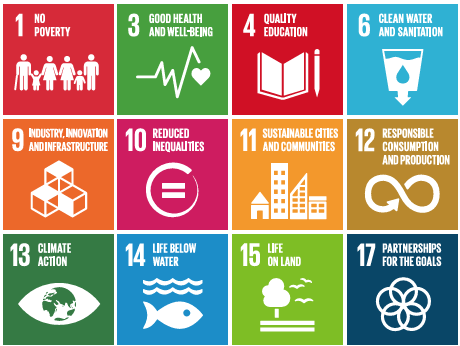
YFY's total monetary and in-kind charitable donations in 2025 amounted to NT$7,193,833, directed toward Sustainable Development Goals including no poverty, good health and well-being, quality education, reduced inequalities and sustainable cities and communities. In addition, the Company donated 65 metric tons of organic fertilizer, 436 boxes/gift sets/packs/batches of food and gift boxes, and 2,662 boxes of tissue paper and cleaning products.
Total monetary amount NT$7,193,833
SDG 1 No Poverty
NT$181,698
SDG 3 Good Health and Well-being
NT$100,535
SDG 4 Quality Education
NT$1,931,564
SDG 10 Reduced Inequalities
NT$45,000
SDG 11 Sustainable Cities and Communities
NT$3,109,599
In-kind donations
NT$1,825,437
Association Participation and Policy Communication
YFY continues to participate in industry associations, professional associations and non-profit organizations, using industry exchange to keep abreast of international trends, policy developments, risks and market opportunities. Through public hearings, regulatory briefings and policy consultations, the Company provides practical industry input and promotes communication among business, industry and government. YFY complies with the Political Donations Act, the Integrity Management Code and the Ethical Management Procedures and Behavior Guidelines, and maintains a position of political neutrality.
In 2025, YFY Inc. participated as a member in organizations including the Taiwan Bio Industry Organization, the Monte Jade Global Science and Technology Association, the Chinese International Economic Cooperation Association, The Third Wednesday Club and the Chinese National Federation of Industries. In 2025, contributions to trade associations and tax-exempt groups amounted to NT$4,184,410; expenditure related to lobbying, interest representation, political campaigns, political organizations or candidates was NT$0. Data coverage for these figures was 100%. Representative external collaborations include the Kaohsiung Wild Bird Society, the Epoch Foundation, the Taiwan Fund for Children and Families, the Chinese National Federation of Industries and the Monte Jade Global Science and Technology Association, covering ecological conservation, talent development, rural education, industry policy exchange and technological innovation.
Associations in which YFY Inc. Participated as a Member in 2025
Taiwan Bio Industry Organization
Monte Jade Global Science and Technology Association
Chinese International Economic Cooperation Association
The Third Wednesday Club
Chinese National Federation of Industries
Chinese National Association of Industry and Commerce, Taiwan
Institute for Biotechnology and Medicine Industry
Epoch Foundation
RE100 Global Renewable Energy Initiative
CommonWealth Sustainability Council
Global Views ESG Alliance
Climate Policy Engagement and Trade Association Alignment
1. Management System for Policy Engagement and Trade Association Memberships
YFY Inc. incorporates climate-related public policy engagement and industry association participation into its sustainability governance and risk management. Guided by political neutrality, ethical management and regulatory compliance, its ESG Office coordinates the three business groups and relevant subsidiaries. Through public hearings, policy dialogues, workshops, association platforms and written submissions, YFY provides practical industry input on carbon fees, emissions trading, resource circularity, renewable energy and low-carbon technologies. Its engagement is guided by the Company's climate strategy, emissions-reduction targets and net-zero transition direction.
2. Governance Framework and Executive-Level Accountability
YFY Inc.'s Board oversees climate and environmental policy engagement through its Sustainable Development Committee. The ESG Office serves as the dedicated coordination and execution unit. Led by the Chief Operating Officer, the Environmental Sustainability Team brings together senior managers from the business groups and personnel at operating sites to coordinate environmental strategy, climate-related public policy positions, and engagement with public authorities and industry associations. Relevant progress and management matters are reported regularly to the Committee and are subject to Board oversight.
3. Position on Specific Climate-Related Public Policies
YFY Inc. supports the climate objectives of the Paris Agreement and Taiwan's 2050 net-zero transition, and provides practical input on carbon pricing, energy transition and resource-circularity policies. Through the Ministry of Environment’s Green Growth League, YFY joined a European study program on carbon pricing and emissions trading and provided industry perspectives on Taiwan's prospective carbon-fee and emissions-trading framework. It also exchanges practices on energy efficiency, carbon management and product carbon footprints through the Industrial Carbon Neutrality Alliance. Chung Hwa Pulp Corporation, a YFY subsidiary, has provided industry input on Taiwan's carbon-fee system through the paper industry association and has obtained SBTi validation of its near-term science-based targets. YFY Consumer Products Co., Ltd., another YFY subsidiary, has participated in public discussions and submitted written views on measures under Taiwan's Climate Change Response Act. It supports the direction of emissions-reduction policy while recommending an implementation period that enables companies to plan their reduction measures and related applications.
4. Review and Monitoring of Direct Policy Engagement
YFY Inc. uses its climate strategy, emissions-reduction targets and net-zero transition direction to review the climate-policy views it presents externally. The Environmental Sustainability Team plans the Company’s climate-related public policy positions, consolidates information from operating sites, and tracks environmental-program outcomes and improvement needs arising from external engagement. Chung Hwa Pulp Corporation, a YFY subsidiary, assesses whether its engagement on carbon-fee policy is consistent with the objectives of the Paris Agreement. YFY Consumer Products Co., Ltd., another YFY subsidiary, coordinates external participation and policy input through its sustainability office and plant energy-management personnel to maintain consistency with its emissions-reduction direction.
5. Review and Monitoring of Trade Association Alignment
YFY Inc. uses its climate commitments and emissions-reduction direction as references when assessing participation in industry associations and external initiatives. Where an association's or initiative's policy direction may differ from YFY's climate position, the Company conducts an internal review and communicates with the organization before assessing its future participation or membership. Chung Hwa Pulp Corporation, a YFY subsidiary, follows a process of identifying and evaluating external initiatives, obtaining a management decision, implementing and monitoring participation, and adjusting its approach based on the outcomes.
6. Addressing Differences Between Association and Company Positions
If an industry association's or initiative's policy direction differs from YFY Inc.'s climate position, the Company uses its existing mechanisms for internal review and communication with the organization, and assesses whether its participation or membership should be adjusted. The assessment is guided by YFY's climate strategy, emissions-reduction targets and net-zero transition commitments, with coordination and oversight through its sustainability governance structure. The Company will continue to strengthen the management and documentation of review frequency, communication timelines and withdrawal criteria.
7. Reporting on Direct Climate-Related Policy Engagement
YFY Inc. discloses the topics and channels through which it has engaged on Taiwan's carbon-fee and prospective emissions-trading arrangements, including exchanges through the Ministry of Environment’s Green Growth League and the provision of industry perspectives to public authorities. Chung Hwa Pulp Corporation, a YFY subsidiary, has participated in carbon-fee policy discussions through meetings, public forums, consultations and written input. YFY Consumer Products Co., Ltd., another YFY subsidiary, has participated in public discussions and submitted written views on measures under Taiwan's Climate Change Response Act.
8. Reporting on Trade Associations' Climate-Related Topics and Activities
YFY Inc. discloses the climate-related topics and activities of key policy platforms in which it participates. Through the Green Growth League, it exchanges views on carbon pricing, emissions trading and carbon-market design. Through the Industrial Carbon Neutrality Alliance, it discusses energy efficiency, carbon management, product carbon rules and industrial decarbonization. Through the Biogas and Biomass Energy Industry Alliance, it shares experience in anaerobic treatment, biogas power generation and energy recovery from biomass resources. YFY also discloses its association memberships and related spending. This information describes YFY's participation and the platforms’ relevant topics; the Company is working toward more complete, association-by-association disclosure of each organization’s own policy positions and advocacy activities.
9. Geographic Scope and Coverage
YFY Inc.'s climate governance structure coordinates management across its three business groups and relevant subsidiaries. Its current examples of public policy engagement principally concern Taiwan's carbon-fee, emissions-trading, renewable-energy and resource-circularity policies. Regulatory monitoring and climate management in other operating locations are carried out according to local operating needs.
Historical Contributions & Other Spending
Unit: NT$
Category
2022
2023
2024
2025
Lobbying, interest representation or similar
0
0
0
0
Local, regional or national political campaigns / organizations / candidates
0
0
0
0
Trade associations or tax-exempt groups
2,165,000
2,354,469
4,748,000
4,184,410
Other
0
0
0
0
Total contributions and other spending
2,165,000
2,354,469
4,748,000
4,184,410
Data coverage (% of production sites)
100%
100%
100%
100%
Expenditures for Issues and topics
Issue or Topic
Corporate Position
Description of Position/Engagement
Total Spend in FY 2025
Creating a Low-Carbon Industrial Ecosystem
Support
YFY actively participates in domestic low-carbon initiatives and policy platforms, including the Ministry of Environment's Green Growth League (GGL), the Chinese National Federation of Industries' Industrial Carbon Neutrality Alliance (ICNA), and the Ministry of Environment’s Biogas and Biomass Energy Industry Alliance (BBEIA). Through GGL, YFY joined a carbon-pricing study program in Germany to examine the EU ETS, allowance management, carbon-market transactions, and stakeholder engagement, while providing industry input on Taiwan’s future carbon fee and ETS framework. Through ICNA, YFY exchanges practices on energy efficiency, carbon management, product carbon rules, carbon-footprint disclosure, and industrial decarbonization. Through BBEIA, YFY shares its expertise in anaerobic treatment, biogas power generation, sludge co-digestion, and biomass utilization to promote energy recovery from agricultural residues, organic wastewater, sludge, and food waste.
310,000
Renewable Energy
Support
RE100, led by The Climate Group, encourages global companies to promote the use of green electricity. YFY became the first member of the global paper industry to join RE100 in 2023, announcing its commitment to achieving RE100 by 2040.
We have participated in activities such as the RE100 membership conference and policy consultation meeting, discussing green power procurement policies and regulatory challenges with other members to collectively promote a favorable green power procurement environment, showcasing Taiwan's significant influence in the global green energy sector.
200,000
Organization and Employees
In line with the Group's operating structure and the scope of its sustainability disclosures, YFY continuously monitors organizational scale, workforce deployment and talent mobility as an important basis for human resource planning and organizational development. In 2025, YFY had a total of 9,969 employees. Headcount did not fluctuate significantly during or between reporting periods, and work locations covered Taiwan, Mainland China, Vietnam and the Netherlands.
In response to the operating models of each business group and the need for workforce flexibility, the Group also uses non-employee workers such as contractors and dispatched personnel to support operations, in addition to regular and contractual employees. YFY continues to align human resources with business development needs through workforce deployment, internal selection, job rotation and talent development, and sustains critical knowledge and professional capabilities through the transfer of experience from senior and retired colleagues.
Scope of Employee Data
The scope of employee data for 2025 covers YFY Inc., the principal business groups, production sites and the related companies included in the scope of this report.
* Production sites: 36 plants in total across the three business groups' operations in Taiwan, Mainland China and Vietnam, excluding YFY Inc. and the headquarters of the three business groups.
* Large-scale production bases: Hualien Plant, Jiutang Plant, Taitung Plant, Xinwu Plant, Yangzhou Plant, Yangmei Plant and Qingshui Plant.
2025 Employee Composition and Geographic Distribution
YFY had a total of 9,969 employees in 2025, with men accounting for more than 70%. Work locations covered Taiwan, Mainland China, Vietnam and the Netherlands. Employee composition is described below:
Taiwan
Mainland China
Vietnam
Netherlands
Total
By region (employees)
5,074
3,329
1,562
4
9,969
By gender (employees)
Male
Female
Male
Female
Male
Female
Male
Female
Male
Female
4,156
918
2,521
808
848
714
1
3
7,526
2,443
By employment contract (employees)
Regular
3,821
901
2,485
788
848
714
1
3
7,155
2,406
Contractual
335
17
36
20
0
0
0
0
371
37
By employment type (employees)
Full-time
4,139
917
2,521
807
848
714
1
3
7,509
2,441
Part-time
17
1
0
1
0
0
0
0
17
2
* "Regular" refers to employees who have signed indefinite-term employment contracts with YFY.
* "Contractual" refers to employees who have signed fixed-term employment contracts with YFY.
* "Full-time" refers to employees working 40 or more hours per week.
* "Part-time" refers to employees working fewer than 40 hours per week.
Employment Types
YFY adopts regular, contractual, full-time and part-time employment types according to differing operational needs. In this report, "regular employees" are defined as employees who have signed indefinite-term employment contracts with YFY, and "contractual employees" as those who have signed fixed-term contracts. Full-time employees are defined in principle as those working 40 or more hours per week, and those working fewer than 40 hours are classified as part-time. In 2025, the overall employee structure remained composed mainly of regular and full-time employees.
By Employment Contract (Regular / Contractual)
Taiwan5,074
Regular 901 Contractual 17
Regular 3,821 Contractual 335
918
4,156
Mainland China3,329
Regular 788 Contractual 20
Regular 2,485 Contractual 36
808
2,521
Vietnam1,562
Regular 714
Regular 848
714
848
Netherlands4
Regular 3
Regular 1
3
1
Total9,969
Regular 2,406 Contractual 37
Regular 7,155 Contractual 371
2,443
7,526
By Employment Type (Full-time / Part-time)
Taiwan5,074
Full-time 917 Part-time 1
Full-time 4,139 Part-time 17
918
4,156
Mainland China3,329
Full-time 807 Part-time 1
Full-time 2,521 Part-time 0
808
2,521
Vietnam1,562
Full-time 714
Full-time 848
714
848
Netherlands4
Full-time 3
Full-time 1
3
1
Total9,969
Full-time 2,441 Part-time 2
Full-time 7,509 Part-time 17
2,443
7,526
* "Regular" refers to employees who have signed indefinite-term employment contracts with YFY.
* "Contractual" refers to employees who have signed fixed-term employment contracts with YFY.
* "Full-time" refers to employees working 40 or more hours per week.
* "Part-time" refers to employees working fewer than 40 hours per week.
Female
Male
Non-Employee Workers
To support production, plant services and other operational needs, YFY also works with external workers, including outsourced contractor personnel, cleaning and catering staff, security guards and agency-dispatched workers. At the end of 2025, non-employee workers across the business groups numbered 5,555 in Taiwan, 686 in Mainland China and 858 in Vietnam, for a total of 7,099. Although non-employee workers have a different employment relationship with the Company, their work activities are closely connected to Group operations. YFY therefore continues to include these workers within the applicable operational management, safety requirements and operational risk management mechanisms.
Talent Mobility
YFY continuously tracks new hires and departures to understand workforce supply and demand and talent mobility trends in each operating region. In 2025, 1,520 employees were newly hired; calculated against employee headcount in each region, new hire rates were 12.0% in Taiwan, 11.2% in Mainland China and 37.3% in Vietnam.
Hiring
Metric
2022
2023
2024
2025
Total number of new employee hires
2,248
1,947
1,686
1,520
Percentage of open positions filled by internal candidates (internal hires)
-
-
-
24.46
*Internal Fill Rate: (Number of positions filled by internal employees / total number of vacancies during the year) x 100%.
Number of new Employees by Gender
2022
2023
2024
2025
Male
1,765
1,494
1,250
1,088
Female
483
453
436
432
Total
2,248
1,947
1,686
1,520
Percentage
Male
23.2%
19.5%
16.7%
15.2%
Female
19.8%
18.5%
17.8%
18%
* Percentage: (Number of new hires / Total number of employees in the category) × 100%
Number of new Employees by Age
2022
2023
2024
2025
<30 years old
1,132
1,024
847
595
31–50 years old
1,025
846
789
819
>51 years old
91
77
50
106
Total
2,248
1,947
1,686
1,520
Percentage
<30 years old
49.1%
55%
46.3%
39.5%
31–50 years old
44.3%
13%
12.6%
13%
>51 years old
6.6%
4.4%
2.8%
6%
* Data Scope: Includes newly hired employees from all production sites listed in the “Entities included in the report”.
* Percentage: (Number of Employees in that category / Total Number of Newly Hired Employees) × 100%.
In terms of departures, total turnover rates by region in 2025 were 17.2% in Taiwan, 12.5% in Mainland China and 30.9% in Vietnam. Across 2024 and 2025, the average annual turnover rate for regular employees was 14.2%, and the average annual turnover rate for new hires within one year was 5.3%. The Company continues to strengthen talent stability and organizational development through talent development, internal development and job deployment.
Resigned Employees by Gender
2022
2023
2024
2025
Male
1,607
1,417
1,226
1,286
Female
511
422
441
416
Total Turnover Rate
Male
21.1%
18.52%
16.4%
17.97%
Female
21%
17.2%
18%
17.29%
* Data Scope: Includes resigned employees from all production sites listed in the “Entities included in the report”.
* Total Turnover Rate: (Number of Resigned Employees in that category / Total Number of Employees in that category) × 100%.
Resigned Employees by Age
2022
2023
2024
2025
<30 years old
800
630
594
548
31–50 years old
1,109
1,003
850
918
>51 years old
209
206
223
236
Total Turnover Rate
<30 years old
41.2%
33.9%
32.4%
36.4%
31–50 years old
17.3%
15.5%
13.5%
14.6%
>51 years old
12.2%
11.7%
12.4%
13.4%
* Data Scope: Includes resigned employees from all production sites listed in the “Entities included in the report”.
* Total Turnover Rate: (Number of Resigned Employees in that category / Total Number of Employees in that category) × 100%.
Talent Deployment and Organizational Development
YFY links talent deployment to business development needs, developing and deploying talent based on performance, development potential and career planning. Internal vacancies are filled first through internal selection, transfers and talent referral mechanisms, and are combined with reserve-manager training, annual promotions and job rotation so that employees' capabilities match job requirements.
In response to the retirement of senior employees and the need for knowledge transfer, the Company also invites retired colleagues with professional experience to participate in project guidance and experience sharing through advisory arrangements, so that professional knowledge accumulated over the long term can be sustained, reducing the impact of personnel changes on organizational capability and operational continuity.
Health and Safety
A safe and healthy working environment is an important foundation for YFY's stable operations. Guided by the principle of zero tolerance for occupational accidents, the Company has established occupational health and safety management mechanisms spanning institutional governance, hazard identification, risk grading, audit and improvement, contractor management, education and training, and occupational health, continuously strengthening workers' safety awareness and risk-prevention capability.
In 2025, total employee working hours reached 21.707 million, employee work-related fatalities remained at 0 for the third consecutive year, serious work-related injuries numbered 1, recordable occupational injuries numbered 34, and the Total Recordable Injury Frequency Rate was 1.6. One non-employee/contractor died in a traffic accident; the Company has completed the incident investigation and the related corrective actions.
Occupational Health and Safety Policy
YFY Inc. established its Occupational Health and Safety Policy together with labor representatives, approved by the Chairperson, centered on safeguarding the safety and health of employees and contractors and preventing occupational accidents. Each business group formulates Safety and Hygiene Codes of Practice according to its operating model, the nature of the work and local regulations, establishing management requirements applicable to each operating site. With zero major occupational accidents as its long-term goal, the Company prioritizes improvement actions in accordance with YFY's OHS management principles and continues to review its management systems, strengthen preventive measures and build a safety culture, reducing risks that could cause worker injury or health impacts during operations.
Occupational Health and Safety Management System
YFY has established a tiered OHS management structure based on the Occupational Safety and Health Management Measures and the Safety and Hygiene Code of Practice, and uses digital management tools including health management, safety inspections, a major-incident response platform, occupational injury statistical analysis, and contractor and access control to continuously monitor the safety and health performance of each business group and operating site. OHS requirements are also incorporated into procurement processes and contracting agreements, so that contractors are subject to consistent safety management standards.
Apart from YFY Inc. and the headquarters offices, certain plants whose operations differ in nature, and contractors and transport drivers who do not work full time at plant sites – all of which are managed through internal audits and other management measures – the remaining production sites have adopted the ISO 45001 occupational health and safety management system either as required by law or voluntarily. Internal audit coverage of the OHS management system at production sites reached 100%, covering nearly 9,000 workers; third-party certification coverage was approximately 89%.
Joint Labor-Management Participation in OHS Management
To establish worker participation mechanisms, each operating site has an Occupational Health and Safety Committee in which both labor and management participate. Employees may elect labor representatives by vote or through union nomination to join OHS personnel and site management in reviewing, assessing, coordinating and making improvement recommendations on health and safety matters. In Taiwan, labor representatives account for more than one-third of total committee members; other regions comply with local regulations, so that workers' practical experience and safety needs are incorporated into the OHS system and management decisions.
Hazard Identification and Risk-Grading Management
YFY has established an OHS management process of “hazard identification → risk grading → audit and correction → continuous improvement.”
1
Hazard Identification
Through review of work processes, on-site observation, workplace testing and document checks, identify physical, chemical, biological, ergonomic and other potential hazards at each production site as the basis for subsequent risk assessment.
2
Risk Grading
Hazards are scored quantitatively by frequency of occurrence, severity and risk weighting to identify high-risk work activities. Items with higher risk or lower inspection frequency are prioritized for audit and management.
3
Audit and Correction
In accordance with the annual management plan, conduct internal and external audits, inspections, unscheduled spot checks and working-environment monitoring. When non-conformities are found, improvement is required immediately within a set deadline, with continuous tracking and re-inspection.
4
Continuous Improvement
Consolidate hazard identification, risk assessment and audit results, track the effectiveness of improvements, and make rolling revisions to management measures, work standards and protective mechanisms, feeding back into the next round of hazard identification and risk management.
OHS Risk Management Cycle
Identify → Grade → Audit → Improve
Worker Hazard Reporting and the Right to Stop Work
YFY encourages workers to proactively identify and report unsafe conditions. Where an immediate hazard exists in the workplace and appropriate protective measures have not been taken, workers may request that work be stopped in accordance with procedures and that the level of risk management be escalated. The Safety and Hygiene Code of Practice also provides that, so long as the safety of other personnel is not endangered, workers may stop work on their own initiative and withdraw to a safe location, notifying the person in charge of the workplace immediately. The Company protects the privacy and related rights of workers who refuse or withdraw from dangerous work.
Contractor Safety Management
YFY treats contractors as an important focus of OHS management, incorporating OHS requirements from the procurement and contracting stages onward, and applying consistent safety management principles to resident contractors and in-plant workers alike. Some plants hold regular construction-review meetings to examine the implementation of construction safety, on-site management deficiencies and potential risks, and to track improvement results. In 2025, resident-contractor participation in the related construction-review meetings reached 100%, using institutionalized communication to strengthen self-inspection, hazard identification and construction safety management capability.
In 2025 there were no recordable occupational injuries among non-employees/contractors; however, one contractor died in a traffic accident. The Company has completed the incident investigation and corrective actions and continues to include contractors and external workers within the scope of safety governance and improvement.
Incident Reporting and Emergency Response
When an occupational accident occurs in the workplace, OHS personnel, the person in charge of the workplace and worker representatives carry out reporting, cause investigation, risk analysis and improvement in accordance with the internal incident-classification system. When an incident is determined to be major, the plant emergency response team is activated according to its task assignments and completes reporting on the major-incident platform within 60 minutes. Hazard and cause analysis is conducted simultaneously, the working environment and existing protective measures are verified, and an improvement plan is proposed within one week. Case announcements and experience feedback are used to reduce the likelihood of similar incidents recurring.
Each plant also conducts regular drills for fire safety, toxic-substance incidents, hazardous materials, earthquakes and other emergencies according to its risk characteristics, continuously verifying the effectiveness of reporting, evacuation and response mechanisms. In 2025, OHS, fire safety and natural-disaster drills totaled 172 sessions with 8,938 attendances.
OHS Education and Training
YFY plans OHS education and training according to the regulations of each operating region and the differing risks of work activities. Through on-site and online courses, workplace instruction, awareness campaigns and drills, the Company enhances employees' and workers' hazard identification, safe operation and emergency response capabilities, and continuously improves courses through training effectiveness or satisfaction surveys. In 2025, OHS-related training totaled 1,433 sessions with 46,856 attendances, primarily comprising:
Training Type
2025 Results
Certification training – initial / refresher / renewal
437 sessions / 1,918 attendances
Non-certification OHS education and training
459 sessions / 13,444 attendances
Hazard prevention awareness
269 sessions / 19,855 attendances
OHS, fire safety and natural-disaster related drills
172 sessions / 8,938 attendances
Hazardous chemicals and labeling education and awareness
96 sessions / 2,701 attendances
Total
1,433 sessions / 46,856 attendances
Occupational Health Services and Health Promotion
YFY has progressively extended employee health management from disease treatment to prevention, early detection and physical and mental health promotion, establishing multi-layered support measures covering medical and nursing services, health checks, health risk management and employee assistance. In terms of health and medical resources, the Company deploys occupational health service personnel according to the needs of each operating site, with some sites assigning nursing personnel beyond regulatory requirements. Contracted physicians and nurses provide on-site health services, referrals and first aid, and online health reporting and related information channels have been established so that employees can obtain health support promptly. In terms of health checks, general employee health checks are conducted every two years together with four cancer screenings; production sites also arrange related health checks according to special operational risks and provide health-check items beyond regulatory requirements, such as ultrasound and specific cancer screenings. In terms of physical and mental health support, one-on-one physician and psychologist consultations were provided in 2025, and an Employee Assistance Program is offered in cooperation with external professional organizations, covering emotional, medical, family, career and stress-related issues. In 2025, occupational health services covered all employees with more than 9,200 attendances.
In health promotion, each business group advances activities according to employee needs, including chronic-disease prevention, health checks, exercise, physical fitness, mental health, musculoskeletal care and first-aid training. In 2025, health-promotion activities recorded more than 7,100 attendances.
Occupational Disease Prevention
Working with occupational medicine specialists and drawing on health-check and working-environment monitoring data, YFY identifies health risks that may arise from shift work, night work and long working hours, as well as from working conditions such as abnormal temperatures, noise and psychological stress, and conducts follow-up management for high-risk employees. Using annual health-check results and tools such as the Framingham Risk Score, the Company assesses ten-year cardiovascular disease risk and assigns different management levels according to the degree of risk, including self-managed health, care interviews, and consultation with a physician or occupational medicine specialist. Where necessary, job adjustment is further evaluated to reduce work-related health risks. In 2025, occupational disease cases numbered 0 and deaths caused by occupational disease also numbered 0.
Occupational Disease Risk Grading and Management Measures
Disease-Onset Risk Grade
Management Level
Management Measures
Low risk
0
Self-managed health
Working-hours management
Company periodic health-check management
Moderate risk
1
Self-managed health
Working-hours management
Company periodic health-check management
2
Care interview
Conduct health assessments and guidance in accordance with the General Health-Check Graded Management System
Where the individual's workload makes job adjustment necessary, refer the case to an occupational health service physician for assessment and recommendations
High risk
3
Consultation with an occupational health service physician or an occupational medicine specialist
Conduct health assessments and guidance in accordance with the General Health-Check Graded Management System
Complete the Interview Results and Measures Taken Form, with job adjustment where necessary
4
2025 Occupational Health and Safety Performance
Employee occupational injury statistics for 2025 show that employee work-related fatalities remained at 0 and serious work-related injuries declined from 2 in 2024 to 1. Recordable occupational injuries numbered 34, the Total Recordable Injury Frequency Rate was 1.6, and total working hours were 21,707,278. The main types of occupational injury were being caught or pinched, entanglement, and falls.
Lost-Time Injury Frequency Rate / Disabling Injury Frequency Rate (LTIFR / FR)Note 4
0.81
0.0
0.41
0.0
Major Types of Occupational Injuries
Cut, Puncture, Abrasion, Struck, Fall
-
Object Collapse or Structural Failure, Fall or Tumble
-
Total Working Hours
4,954,864
4,886,147
4,820,572
4,983,914
Note 1: Percentage of Work-Related Deaths = (Number of Work-Related Deaths ÷ Total Working Hours) × 1,000,000.
Note 2: Percentage of Serious Occupational Injuries = (Number of Serious Occupational Injuries with Lost Days exceeding 180 days ÷ Total Working Hours) × 1,000,000.
Note 3: Total Recordable Injury Frequency Rate / Incidence Rate (TRIFR / IR) = (Number of Recordable Occupational Injury Cases ÷ Total Working Hours) × 1,000,000.
Note 4: Lost-Time Injury Frequency Rate / Disabling Injury Frequency Rate (LTIFR / FR) = (Number of Occupational Injuries with Lost Days included ÷ Total Working Hours) × 1,000,000.
Inclusive Growth
Talent is the foundation of YFY's continued growth and organizational resilience. The Company builds its talent development environment around capability cultivation, career development, continuous learning and family support, so that employees can obtain the resources they need across different roles and life stages, balancing personal growth with work-life balance. In 2025, YFY continued to strengthen organizational capability through talent strategy development, competency assessment and diverse training, and again joined the 2026 TALENT, in Taiwan – Taiwan Talent Sustainability Action Alliance, supporting sustainable talent development through concrete action.
Through compensation and benefits, flexible working arrangements, family care, parental leave and children's education support, the Company also addresses employees' needs at different life stages. Talent development therefore extends beyond professional capability to long-term retention and lifestyle support, creating a workplace that offers both growth opportunities and stable support.
Development and Training
To address the challenges arising from market, industry and digital transformation, YFY continues to build a systematic and sustained talent development mechanism through management-level consensus on talent strategy, adjustments to the training system and competency assessment at all levels, linking employee development to the Company's business strategy. In 2025, average training hours per employee were 17.6 hours and average training expenditure per employee was NT$1,186. By management level, managers averaged 22.8 hours and non-managers 17.4 hours, with learning resources continuing to be allocated according to differing roles and development needs.
2025 Average Training Hours and Costs per Employee by Gender and Management Position
Male
Female
Management Position
Non-Management Position
Total
Average Hours per Employee of Training (hours)
17.5
18.1
22.8
17.4
17.6
Average amount spent per Employee on Training (NTD)
1,192
1,167
1,149
1,188
1,186
* Data Scope: Includes employees from YFY Inc. and three business groups (Forest, Pulp & Paper Group / Containerboard and Packaging Group / Consumer Products Group).
* Management Position: Management titles of grades 8 and above; Non-Management Position: Grades 7.
Diverse Learning Environment
YFY provides learning resources across four categories – new-hire, management, professional and general education – delivered through classroom courses, online learning and self-directed learning platforms to help employees develop continuously according to their career stage and job requirements. In 2025, total training expenditure exceeded NT$11.66 million, with cumulative training attendance of 67,597. Training attendances by category in 2025 comprised professional competency 44,712, management and general education 21,525, and new-hire training 1,357, together with continued support for continuing education, so that professional skills, management capability and shared organizational competencies develop in parallel. The Company has also established YFY Learning – Cloud Library, offering e-books, magazines and learning content across diverse themes to encourage self-directed reading and knowledge sharing. In 2025, registered users exceeded 1,153, and by early April 2026 cumulative views had reached 60,630.
2025 Training Results (by Training Category)
NT$11,665,628 67,597 attendances
New-hire training
NT$105,870
1,357 attendances
Continuing education
NT$242,000
3 attendances
Management and general education
NT$3,840,654
21,525 attendances
Professional competency
NT$7,477,104
44,712 attendances
Professional competency
Management and general education
New-hire training
Continuing education
* Data scope: employees of YFY Inc., YFY Corporate Advisory & Services Co., Ltd., and the three business groups (Forest, Pulp & Paper / Containerboard and Packaging / Consumer Products).
* Course categories and objectives:
– Professional training: strengthens the professional and technical capabilities required by specialists in each functional department.
– Management training: strengthens organizational management effectiveness and develops the team leadership and strategic thinking of managers at all levels.
– General education training: develops the knowledge and skills employees need for independent work, workplace communication and work management, in line with the Company's future business development needs and long-term operating goals.
– New-hire training: helps new colleagues become familiar with the working environment and understand the corporate vision, organizational structure, rules and regulations, and the operations of each function and business unit.
Sustainability Capabilities and Digital Transformation
Beyond general talent development, YFY also incorporates sustainability and digital transformation capabilities into its employee learning system. In 2025, ESG training and related awareness activities totaled 3,500.4 hours with 28,777 attendances, covering topics including climate and greenhouse gas management, environmental and pollution prevention, talent development, occupational health and safety, Integrity Management, information security, and AI capabilities and digital transformation, continuing to embed sustainability awareness and professional capability into daily work.
Employee Development Programs
Through management competency training and annual thematic learning programs, YFY continues to develop managers' leadership, business perspective and digital working capabilities. Management training in 2025 focused on Lean Management and Political/Economic Trend Sharing, together with AI and environmental economics topics for senior executives; management-related courses recorded 435 completions in total. The annual theme for YFY Learning was Smart Work Learning, focusing on smart working techniques in the first half of the year and workplace resilience in the second half, combining the cloud library, online platforms, TED videos, classroom courses and thematic lectures to encourage employees to build habits of continuous learning.
2025 Employees Development Programs
Employee Development Programs
Management Competency Training Program
Annual Key Learning Program of Feng Learning
Program Description and Objectives
YFY's management competency training integrates the organization's management competency framework for supervisors with its business strategies to strengthen managerial capabilities.
2025 Management Training Programs:
Training for Frontline and Mid-Level Managers:
Lean Management: Strengthening managers' capabilities in streamlining processes and reducing waste through lean management practices.
Political and Economic Trends: Providing managers at all levels with insights into market dynamics and the latest trends to broaden their operational and management perspectives.
Continuing Education Program for Directors, Supervisors, and Senior Executives:
Exploring enterprise AI intelligence and the evolving role of environmental economics.
Annual trend topics and core general competencies are selected as key themes for promoting learning resources across the organization, encouraging self-directed learning and fostering a learning organization.
The 2025 theme of Feng Learning was "Smart Work," supported by resources including a cloud-based library, the CommonWealth Innovation Platform, TED videos, various online and offline courses, and thematic lectures. Quarterly learning focuses were as follows:
Q1–Q2 Smart Working
Q3–Q4 Workplace Resilience
Program Type
Leadership Development and Digital Transformation Training
Leadership Development and Digital Transformation Training
Business Benefits and Quantitative Results
A total of 435 participant attendances completed the training programs.
Training for Frontline and Mid-Level Managers:
Lean Management: One cohort comprising three sessions was conducted, totaling 12 training hours. Post-training effectiveness was evaluated through project presentations to assess the development and application of management practices. A total of 70 participant attendances completed the program.
Political and Economic Trends: One cohort comprising three sessions was conducted, totaling 3.6 training hours. Post-training effectiveness was assessed through online tests to confirm participants' understanding of key learning points. A total of 187 participant attendances completed the program.
Continuing Education Program for Directors, Supervisors, and Senior Executives:
One cohort comprising two sessions was conducted, totaling 6 training hours, with a total of 178 participant attendances completing the program.
Each quarter, 10–15 themed learning resources were recommended. One annual thematic lecture was also held, accompanied by an incentive mechanism to encourage employees to engage in learning and share their reading insights.
Employee Participation Rate
94.0%*
100%
* Participation rate = (Number of employees who completed management training courses ÷ Number of employees required to participate in management training courses) × 100%
Performance and Career Development
YFY conducts annual employee performance appraisals and career development reviews, applying consistent standards for goal setting and performance evaluation to 100% of full-time employees within the scope of the system. Performance management follows a management-by-objectives approach comprising three stages – employee self-assessment, supervisor interview and supervisor evaluation. Employees receive individual feedback after evaluation, which serves as an important reference for subsequent career development and training.
Long-Term Incentives for Employees
YFY plans to introduce an employee share ownership trust program, under which a portion of performance-based compensation awarded to key executives and high-potential employees will be converted into shares held through the trust. The awards will be linked to the Company’s business performance, transformation outcomes, and individual performance.
The incentive program will be subject to defined performance thresholds and a three-year phased vesting schedule. In principle, the awards will vest at 30%, 30%, and 40% over the three-year period. This long-term incentive mechanism is designed to strengthen the retention of key talent and align employee compensation with the Company’s long-term value creation and shareholder interests.
Employee Benefits and Family Support
In addition to providing basic insurance and retirement protection in accordance with the regulations of each operating region, YFY offers measures covering holidays, birthdays, marriage and bereavement, childbirth, children's education, continuing education and lifestyle support through the Joint Workers' Welfare Committee and various benefit programs. In 2025, 31 employees received marriage gift payments, 87 received childbirth subsidies and gifts, and 326 received children's education subsidies. For family and care needs, the Company provides application mechanisms for remote work and flexible working hours; family-care leave can be taken in increments as small as 0.5 hours. Support also includes early-childhood education resources for employees' children, priority admission to the experimental preschool affiliated with the Hsin-Yi Foundation, and more than 1,200 partner stores offering discounts across Taiwan, helping employees balance family responsibilities with career development. For details of the benefit programs, please see Employee Benefits and Retirement System.
Parental Leave and Return-to-Work Support
Through parental leave and family support programs, YFY continues to help employees maintain work-life balance while raising children and to return to work smoothly after leave. In 2025, 82 employees were entitled to parental leave – 53 men and 29 women – and 46 employees actually took parental leave – 26 men and 20 women. Of the 47 employees due to return to work during the year, 39 actually returned. The return-to-work rate after parental leave was 70.83% for men and 95.65% for women; the retention rate for those who returned in the previous year and remained employed for 12 months was 66.67% for men and 85.71% for women. Employees had 78 newborns in 2025.
2025 Parental Leave Statistics
Male
Female
2025 Number of employees entitled to parental leave
53
29
2025 Number of employees who actually took parental leave
26
20
2025 Number of employees who should return to work after completing parental leave (A)
24
23
2025 Number of employees who actually returned to work (B)
17
22
2025 Number of employees who returned to work after parental leave (C)
9
14
Number of employees who returned to work after parental leave in 2025 and remained employed for 12 months (D)
6
12
Return rate (B/A)
70.83%
95.65%
Retention rate (D/C)
66.67%
85.71%
* Data Scope: Includes employees from all production sites listed in the "Operation and Production Sites," Yuen Foong Shop, Blue Economy Natural Resource, Shin Foong, YFY Development, Ef on Enertech, etc.
Human Rights and Labor Practices
YFY respects and safeguards the fundamental human rights of stakeholders involved in its operating activities and value chain. The Company supports the principles of the UN Global Compact and has established a Human Rights Policy in accordance with international human-rights principles including the Universal Declaration of Human Rights, the United Nations Declaration on the Rights of Indigenous Peoples and International Labour Organization conventions. YFY prohibits all forms of discrimination, human trafficking, forced labor and child labor; safeguards equal remuneration, freedom of association and the right to collective bargaining; and pays particular attention to vulnerable and high-risk groups including women, persons with disabilities, Indigenous peoples and migrant workers.
We value the labor rights and personal dignity of all workers and are committed to building a safe, healthy, diverse, equal and inclusive working environment, embedding human rights and labor practices in daily operations through institutionalized management and continuous improvement mechanisms. These principles apply not only to regular employees, contract and temporary personnel and interns, but are also expected to be followed by suppliers, contractors and business partners, progressively extending human-rights protection across the value chain. For operating and supply chain activities involving new logging or plantation development, YFY requires respect for the Free, Prior and Informed Consent (FPIC) of local Indigenous peoples and communities.
Labor Practices Commitment
YFY incorporates labor rights into its human resources and human-rights management systems, focusing on the following five commitments:
Paying a Living Wage: YFY continues to establish a market-competitive compensation system with reference to the cost of living at each operating location, industry salary levels and regulatory requirements.
Avoiding / Reducing Overtime and setting Maximum Working Hours: YFY complies with working-hour regulations at each operating location, prevents excessive working hours and compulsory overtime, and has established overtime-application and working-hour management mechanisms.
Equal Pay for Equal Work and Equal Opportunity: Salaries and promotions are determined by position, professional capability, work experience and performance, without differential treatment based on gender, age or other personal characteristics.
Paying workers for Annual Leave: YFY ensures employees receive all categories of paid leave required by law, and provides certain leave entitlements and family-support measures that exceed regulatory requirements.
Setting Minimum Consultation or Notice Periods before Mass Terminations: Where major organizational adjustments are required for operational reasons, affected employees are notified in advance in accordance with local law, and communication and necessary career support are provided.
Human Rights Due Diligence and Assessment
YFY extends the scope of human rights due diligence to its own operations, subsidiaries and supply chain, as well as to new business relationships such as investments and joint ventures. Through the four stages of Collect, Assess, Manage and Disclose, the Company identifies actual and potential human-rights impacts on employees, suppliers and other stakeholders.
Collect: Inventory of Human Rights Issues With reference to international standards and peer disclosure practices, YFY conducted an inventory of human-rights issues covering 10 human-rights indicators. Six human-rights issues were identified for employees and six for suppliers, as shown in the table below.
Human Right Indicator
Human Rights Issues
Value Chain*
Own Operations
Upstream
Downstream
Occupational Health and Safety
✓
✓
Workplace Violence and Harassment
✓
Unlawful Termination of Employment
✓
Working Hours Management
✓
✓
Forced Labor
✓
Violation of Privacy Rights
✓
Infringement of Migrant Workers' Rights
✓
Wages and Benefits
✓
Young Workers
✓
Freedom of Association and Collective Bargaining
✓
* Vulnerable groups covered by the due diligence process: Own operations – employees, including women, persons with disabilities, Indigenous peoples, and migrant workers; upstream – suppliers, persons with disabilities, Indigenous peoples, and migrant workers; downstream – local communities.
Assess: Human Rights Risk Assessment To assess negative human-rights impacts, YFY designed employee and supplier self-assessment questionnaires to understand the magnitude and likelihood of negative impacts for each human-rights issue, providing the basis for identifying priority issues for improvement. Employee questionnaires were distributed to employees of YFY and its subsidiaries; supplier questionnaires were distributed to the Company’s significant suppliers in Tier-1. Based on the questionnaire responses, YFY completed separate human-rights risk assessments for employees and suppliers.
Human Rights Risk Exposure Matrix
Employees
High
Low
Low
High
Impact
Likelihood
1
2
3
4
5
6
1. Workplace Health and Safety
4. Working Hours Management
2. Workplace Unlawful Harm
5. Violation of Privacy Rights
3. Illegal Termination of Labor Contract
6. Migrant Worker Rights Infringement
Suppliers
High
Low
Low
High
Impact
Likelihood
1
2–6
1. Workplace Health and Safety
4. Compensation and Benefits
2. Forced Labor
5. Young Workers
3. Working Hours Management
6. Freedom of Association and Collective Bargaining
Manage: Human Rights Issue Management MeasuresEmployees: Based on the Human Rights Risk Exposure Matrix above, YFY identified Workplace Health and Safety and Working Hours Management as two material risk issues in its own operations, with measures implemented across all 36 sites. Responsible departments record and manage each issue, continuously review, implement and revise risk-management measures, and track status. Suppliers: From 2023 to 2025, YFY completed assessments for 28% of significant suppliers in Tier-1. No significant human-rights risks were identified, so no related mitigation measures were taken in 2025. If future assessments identify human-rights risks among suppliers, YFY will continue tracking and take relevant actions to reduce human-rights impacts in the supply chain.
Material Issue
Affected Group
Risk Description
Risk-identification Coverage
Mitigation Measure Coverage
Mitigation Plans
Remediation Actions
Remediation Type
Workplace Health and Safety
Employ-ees
Insufficient guarding at machine entanglement points; lockout not implemented during maintenance; inadequate lift-equipment safety; insufficient lifting protection; insufficient fall protection for work at height
11.1%
100%
Periodically inspect the integrity of safeguarding equipment and conduct equipment checks
Establish lockout procedures and strengthen pre-work confirmation
Periodically inspect and maintain lifting equipment
Strengthen lifting-operation risk assessment and inspection
Implement work-at-height management and fall-protection inspections
Added guards and safety interlocks and completed improvements
Completed equipment improvements and personnel training
Repaired safety interlocks
Completed training and added protective equipment
Improved access equipment and protective facilities
Engineering improvement / equipment guarding Strengthened training
Working Hours Management
Employ-ees
Rest-day arrangements not compliant; overtime-pay payment not compliant; flexible-working-hour system not compliant
5.6%
100%
Periodically review working hours and leave arrangements
Strengthen payroll calculation and review mechanisms
Periodically review working-hour systems and regulatory compliance
Added staffing and adjusted schedules
Paid wage differences and completed payroll review
Adjusted schedules and revised systems
Human resources and scheduling adjustments Internal-control implementation and prevention Financial compensation
* Risk-identification coverage for own operations = number of production sites where a risk was identified / total number of production sites.
Disclose: Information Disclosure YFY communicates its human rights policy and due-diligence results externally, including disclosure in the annual Sustainability Report.
Relocation, Resettlement and Livelihood Restoration Management Framework
YFY respects the rights of residents and communities in its operating locations in relation to land, housing, assets and livelihoods. The Company is committed to avoiding physical or economic displacement arising from land acquisition, restrictions on land use or project development. Where displacement cannot be avoided, YFY will minimize adverse impacts on affected people through meaningful engagement, fair compensation, appropriate resettlement and livelihood restoration measures.
This Framework applies to YFY and the subsidiaries and operating sites under its management control. It covers new construction, expansion, land purchases or leases, acquisition of rights of way, changes in land use, and the development of forests, plantations and associated facilities. For joint ventures and investments outside its control, and for business partners, YFY will promote the relevant requirements according to its influence and the level of risk.
Physical displacement refers to situations in which affected people must leave their existing homes. Economic displacement refers to the loss of assets, income sources or resources needed to sustain livelihoods as a result of land acquisition or restrictions on land use, whether or not affected people move from their homes. YFY will implement this Framework in accordance with applicable laws in its operating locations, with reference to the relevant principles of IFC Performance Standard 5.
1. Minimizing the acquisition of land resulting in physical or economic displacement
At the early stages of site selection, investment and project planning, YFY will assess how land acquisition and use arrangements may affect homes, agricultural land, business activities, public access and the use of natural resources. To avoid displacement and loss of livelihoods, the Company will prioritize the comparison of feasible alternatives, including using existing sites, selecting alternative locations, reducing land requirements, and modifying project designs or construction methods.
Assessments will include landowners, tenants, actual occupants, cultivators, businesses and other users who depend on the affected land or resources for their livelihoods, with particular attention to vulnerable groups and Indigenous peoples. A site’s location within an industrial zone, the use of a negotiated purchase agreement or government approval of the land does not, by itself, establish the absence of impacts on rights.
YFY will retain records of alternative assessments, impact screening and the reasons for its decisions. Where significant displacement or livelihood impacts remain, the relevant management plans must be completed and approved before activities causing those impacts may proceed.
2. Disclosure of displacement eligibility and entitlements as early as possible in project planning
At the early stages of project planning, YFY will explain the proposed land requirements, potential impacts, survey procedures, eligibility criteria, compensation and resettlement options, livelihood support, anticipated schedule and grievance channels in languages and formats that affected people can understand. Adequate opportunities will be provided for questions and discussion.
YFY will establish a register of affected people through population, asset and livelihood surveys, and develop an eligibility and entitlement matrix based on the nature of their rights and actual losses. Where an eligibility cut-off date is required, the Company will clearly disclose the date, its purpose and how it applies, and establish procedures for addressing omissions, corrections and disputes.
Eligibility assessments will consider legal rights, traditional or customary use rights recognizable under applicable law, and the circumstances of people who are affected but lack formal land titles. The absence of formal title will not automatically exclude consideration of losses of non-land assets, relocation assistance or livelihood support. Information will be updated and further engagement undertaken when the project scope or measures change.
3. Fair determination of compensation for land acquisition and other assets
YFY will assess compensation transparently, consistently and in a verifiable manner, distinguishing losses of land, buildings, crops, equipment and other assets. Relocation costs, business interruption and support needs during the transition period will be assessed separately.
For eligible asset losses, YFY will apply the principle of full replacement cost, including reasonable transaction costs necessary to acquire equivalent assets, rather than relying solely on book values or depreciated amounts. Where necessary, qualified professionals free from conflicts of interest will be engaged to conduct valuations. YFY will explain the valuation methods and results to affected people and provide a channel for review.
As a general rule, compensation and necessary resettlement assistance should be made available and provided before possession of land is taken or displacement occurs. Where land acquisition or resettlement is led by government authorities, YFY will, within the scope of its participation, review gaps between those arrangements and this Framework and coordinate any necessary supplementary measures.
4. Development of resettlement action plans for physical displacement
Where a project may require residents to leave their existing homes, YFY will prepare a Resettlement Action Plan before displacement occurs. The plan will specify the affected people, survey findings, compensation entitlements, resettlement options, relocation and transitional support, budget, schedule, responsible functions and monitoring arrangements.
YFY will discuss feasible options with affected residents and host communities, assessing the safety and security of alternative housing, security of tenure, water and sanitation facilities, and access to transport, healthcare, education and employment. Family, community and cultural ties will be preserved, and appropriate assistance will be arranged for older people, persons with disabilities and others with specific needs.
Where Indigenous peoples are affected, YFY will coordinate implementation with its Indigenous Peoples Engagement and Cultural Heritage Protection Framework and determine the applicable consultation and Free, Prior and Informed Consent (FPIC) requirements. Resettlement outcomes will be assessed against actual living conditions and the protection of rights, rather than solely on the completion of relocation or payment of compensation.
5. Development of livelihood restoration plans for economic displacement
Where land acquisition or restrictions on land use cause the loss of income, employment, farming, business or resource-use opportunities, YFY will prepare a Livelihood Restoration Plan with the objective of improving, or at least restoring, affected people’s previous livelihoods and living standards.
YFY will first establish baseline information on income, assets, production activities and dependence on resources, and then consult affected people on appropriate measures. These may include alternative land or resource-use arrangements, assistance with re-establishing businesses, skills training, job placement support and transitional assistance. For people whose livelihoods depend primarily on land or natural resources, priority will be given to assessing replacement resources with comparable productive capacity and accessibility.
YFY will monitor the recovery of income and productive capacity and, where necessary, adjust measures or extend support. General local hiring, charitable donations or one-off cash compensation may be counted toward livelihood restoration outcomes only where they are linked to affected people’s actual losses and restoration needs.
6. Physical and economic displacement grievance mechanisms
Building on its existing community communication and grievance channels, YFY will explicitly include concerns relating to land acquisition, eligibility, valuation and compensation, relocation and resettlement, resource use and livelihood restoration. Affected people may raise concerns through site contact points, telephone, email or other appropriate means. Language assistance and support for recording oral submissions will be provided where needed.
YFY will disclose contact points, handling procedures and expected response times, and establish processes for registering, investigating, discussing, responding to, remedying and following up on grievances. The Company will protect complainants’ privacy, prohibit retaliation and ensure that raising a grievance does not reduce the compensation or support to which they are entitled.
Cases involving conflicts of interest, significant disputes or unresolved concerns will be escalated to the appropriate management level, with independent professional assistance sought where necessary. The Company’s grievance procedures will not restrict affected people’s access to judicial, administrative or other remedies.
7. Periodic audit and assessment of resettlement action plans and/or livelihood restoration plans
YFY will establish monitoring and audit plans proportionate to project impacts. Reviews will assess the adequacy and timeliness of compensation, the suitability of alternative housing, the restoration of income and resource access, the effectiveness of support for vulnerable groups, and the resolution of grievances and completion of corrective actions. Affected people’s views will be incorporated into these reviews.
Under this Framework, YFY will periodically conduct comprehensive assessments of ongoing resettlement and livelihood restoration plans. Project reviews will also be conducted at key stages, including relocation, handover of alternative housing and completion of major livelihood restoration measures. Significant or complex cases will be assessed by qualified professionals independent of the implementation team, with external completion audits undertaken where necessary.
Where deficiencies are identified, YFY will specify corrective actions, responsible persons, budgets and deadlines. Closure will require evidence that key commitments have been fulfilled and that affected people have been provided with adequate opportunities and assistance to restore their livelihoods. Outstanding matters will remain subject to follow-up.
Indigenous Peoples Engagement and Cultural Heritage Protection Framework
YFY respects Indigenous peoples’ dignity, self-identification, collective rights, customary land and resource use, culture and livelihoods. Building on its Human Rights Policy and support for the United Nations Declaration on the Rights of Indigenous Peoples, this Framework applies to YFY and subsidiaries under its management control, including operations, projects, land acquisition and use, forestry and raw-material procurement. Suppliers and partners are addressed through risk-based due diligence, contractual requirements and corrective follow-up, according to YFY’s leverage. Joint ventures and other investments are addressed in proportion to control and risk.
1. Identifying affected indigenous peoples
Before new construction, expansion, land acquisition or leasing, land-use changes, new logging, plantation development and relevant sourcing decisions, YFY will identify potentially affected Indigenous peoples and rights holders. Screening will combine public and government information, land and sourcing records, field inquiries and community self-identification. It will consider customary territories, resource use, seasonal activities and dependence on land, forests and water, without relying solely on formal title or official recognition. Direct, indirect and cumulative impacts connected to operations and supply chains will be assessed. Uncertainty or competing claims will be reviewed with potentially affected communities and qualified experts, with the basis for decisions documented.
2. Understanding the local context for engaging with indigenous peoples
Before engagement, YFY will understand affected Indigenous communities’ languages, history, customs, social organization, customary and current decision-making processes, representation, resource use and livelihoods. The assessment will consider women, elders, youth and other groups whose views may be underrepresented. YFY will agree appropriate participants, languages, locations, timing and information formats with the communities, providing translation or independent expertise where needed. Baseline studies and engagement arrangements will respect cultural restrictions, ceremonies and sensitive information and be updated when project conditions or community needs change.
3. Principles of good engagement of indigenous peoples
YFY’s engagement will be respectful, conducted in good faith, transparent, inclusive and ongoing. Consultation will use representatives and decision-making arrangements recognized by the communities and provide opportunities for different groups to express their views. Engagement will begin while alternatives remain open. YFY will provide understandable information on activities, alternatives, impacts, safeguards and grievance channels, allow adequate deliberation time and avoid coercion, manipulation or improper inducements. Community input will inform siting, design, resource use and protection measures, with feedback on decisions. Employment, donations and community programs will not be made conditional on consent.
4. Free prior and informed consent
YFY maintains its existing requirement that its own operations and suppliers respect and protect the FPIC of local Indigenous peoples and communities before new logging or plantation development. To implement this commitment, YFY will agree consultation and consent-verification arrangements with affected communities in advance, provide adequate and understandable information on risks, alternatives and rights before activities begin, and allow decisions through community processes without coercion, intimidation or manipulation.
YFY proposes extending FPIC screening to impacts on customary lands or resources, relocation, unavoidable significant impacts on critical cultural heritage, and commercial use of Indigenous cultural knowledge. Relevant activities will not proceed without required consent. Supplier cases will require evidence and corrective follow-up, with sourcing suspended where necessary. Material changes will trigger a renewed consent review. Government permits, donations or meeting attendance will not be treated as consent.
5. Commitment to protect and preserve cultural heritage from the adverse impacts of local activities
YFY will identify and protect tangible cultural heritage, culturally or spiritually important natural features, and traditional knowledge, expressions and practices potentially affected by its operations, projects and related sourcing. Protection will extend beyond legally registered assets to archaeological sites, graves, structures, ceremonial places, sacred forests and culturally significant waters. YFY will prioritize avoidance through siting and design and agree necessary mitigation, protection and restoration with communities and qualified experts, including appropriate cultural access. Suspected heritage discovered unexpectedly will trigger a halt to disturbance in the affected area, site protection and notification; work will resume only after professional assessment and necessary consultation.
Commercial use of Indigenous knowledge, imagery, names or practices will require prior disclosure of purpose and impacts, applicable FPIC and authorization, and agreed fair benefit sharing. Collection and disclosure of cultural information will respect community confidentiality.
6. Grievance mechanisms
YFY will enable affected Indigenous peoples and their representatives to raise concerns through community contacts, telephone, email or other culturally appropriate channels. The mechanism will address land, resources, livelihoods, heritage, engagement, FPIC and resettlement. YFY will explain contact points, procedures and expected response times, support language or written submissions where needed, and offer anonymity or confidentiality and protection from retaliation. Responsible functions will assess and investigate cases and discuss resolution and remedy with complainants. Conflicts of interest and unresolved cases will be escalated or receive appropriate independent assistance. Access to judicial, administrative or other remedies will remain available.
7. Audit and assessment of relocation/resettlement
YFY will assess potential physical and economic displacement affecting Indigenous peoples. Where such impacts are identified, YFY will apply its Relocation, Resettlement and Livelihood Restoration Management Framework for avoidance, eligibility, compensation, resettlement planning, livelihood restoration, grievance handling and monitoring, together with this Framework’s Indigenous-specific safeguards.
Assessment and implementation will respect customary and collective land and resource rights, community decision-making processes, cultural ties and access to culturally significant places. YFY will consult affected Indigenous communities and meet this Framework’s applicable FPIC requirements before proceeding with activities that cause displacement.
Periodic assessments and audits will follow the general framework and additionally verify compliance with applicable consent requirements and agreed conditions, cultural suitability of resettlement, restoration of resource access and livelihoods, and fulfillment of community commitments. Affected communities will participate in these reviews. Material or complex cases will be assessed by qualified professionals independent of implementation. Completion will require verification of agreed outcomes, with unresolved deficiencies remaining under corrective follow-up.
Implementation of Human Rights and Labor Practices
Management Aspect
Systems and Management Measures
2025 Implementation and Results
Ensure adequate Wages at or above Cost of Living Estimates or Benchmarks
The compensation system is reviewed regularly against the cost of living, industry salary levels and local regulations. Remuneration comprises base salary, allowances, performance bonuses and overtime pay.
In Taiwan, the average monthly starting salary for inexperienced employees, with bachelor degree or above, was 33.3% above the statutory minimum wage. Entry-level standard wages as a percentage of the local minimum wage were 116% (male) and 137% (female) in Mainland China, and 175% (male) and 184% (female) in Vietnam.
Monitor Working Hours including Overtime Management
Advance application and supervisor approval are required under the Employee Overtime Regulations, with mechanisms for flagging and correcting abnormal working hours.
Working and overtime hours continue to be recorded, with unnecessary overtime reduced through staffing allocation, digitalized management and talent development.
Ensure Employees are paid for Overtime Work
Overtime pay is provided in accordance with local regulations and actual hours worked; eligible employees may also apply for compensatory leave.
Working hours and overtime pay are managed in accordance with the Work Rules and the Employee Overtime Regulations.
Regularly engage with Workers' Representatives on Working Conditions
Working conditions are communicated through trade unions, joint meetings between union representatives and senior management, and labor-management meetings; major adjustments are communicated with affected employees in advance.
Trade unions covered 55.6% of employees in 2025. Labor-management meetings are held quarterly in Taiwan, and no cases of harm to employee rights arising from inadequate communication occurred.
Routinely monitor the Gender Pay Gap to achieve Equal Remuneration for Men and Women
Salaries are determined by professional capability, education and experience, job content and performance. YFY participates regularly in market salary surveys and reviews gender pay differences.
In 2025, the mean gender pay gap was 0.4% and the median gender pay gap was 7.0%.
Expand Social Protection Coverage for Workers beyond Public Programs
Statutory insurance and retirement systems are provided, together with occupational-injury compensation, bereavement benefits, emergency relief and family-care leave.
Family-care leave may be taken in increments as small as 0.5 hours. The experimental preschool affiliated with the Hsin Yi Foundation offers priority admission for the children of employees of affiliated companies.
Ensure Employees are taking their Paid Annual Leave Entitlements
Annual leave, marriage leave, bereavement leave, maternity leave, prenatal check-up leave, and paternity check-up accompaniment and paternity leave are provided in accordance with law, supported by leave-application and work-coverage arrangements.
Up to two days of paid volunteer leave are provided each year to support employee participation in public-interest and community service.
Provide Training or Reskilling to mitigate Negative Effects of Industrial or Climate Transition Changes
Four training systems have been established for new hires, management, professional skills and general knowledge, complemented by on-the-job training, external courses and annual training plans.
Professional reskilling continues to be provided to help employees respond to changing capability requirements arising from industry and climate transition.
Equality, Inclusion and Labor Relations
Anti-Discrimination / Harassment
YFY has established anti-discrimination and anti-harassment policies and is committed to a respectful, safe working environment free from sexual harassment and improper treatment. Gender-equality, sexual-orientation-equality and harassment-prevention training is conducted regularly for employees, managers and personnel who may participate in handling complaint cases, with a required 100% pass rate. The Company has formal complaint and investigation mechanisms: complaints are handled by the Human Resources department, and complaint and investigation panels are formed case by case, including external professionals with gender sensitivity where necessary, in order to protect the rights, privacy and procedural fairness of the parties involved. No discrimination or harassment cases requiring investigation occurred in 2025.
Freedom of Association and Labor-Management Communication
YFY respects employees' freedom of association and right to collective bargaining, and has established trade unions or labor-management communication mechanisms at each operating location in accordance with local regulations. In 2025, trade unions covered 55.6% of employees. Union representatives can raise employee needs directly with management through joint meetings with senior management; sites without unions communicate through regular labor-management coordination meetings. In Taiwan, unions hold at least one general or delegate meeting annually, and labor-management meetings are held quarterly. No cases were reported in 2025 in which employee rights were harmed by inadequate communication.
Workplace Diversity and Equality
YFY is committed to building a diverse and equal working environment, with continued attention to workforce composition across gender, age, professional background, nationality and disability status. Through talent recruitment, promotion and development mechanisms, the Company ensures that employees are not treated unfairly on the basis of gender, age, nationality or other personal characteristics.
In 2025, women accounted for 24.5% of the total workforce and 21.5% of management positions, with women holding 34.2% of STEM-related positions. The Company continues to review composition across management levels, job functions and the talent pipeline, and promotes the advancement of diverse talent into professional and management roles. In disability employment, the Group employed 100 persons with disabilities in 2025, and its workforce represents nine nationalities, reflecting the composition of a cross-regional operation.
2025 Percentage of Age Groups in Management and Nonmanagement Positions
<30 years old
30–50 years old
>50 years old
Junior Management Position
-
3.4%
1.0%
Middle Management Position
-
1.5%
1.6%
Senior Management Position
-
0.1%
0.5%
Non-Management Positions
16.2%
60.7%
15%
* Managerial positions are divided into three categories: Junior-level:
* Percentage: (Number of Employees in that category / Total Number of Employees) × 100%
* "-" indicates no employees at that management level.
2025 Percentage of Employees by Disability Type
Mild
Moderate
Severe / Profound
No special status (General population)
Total
Percentage of Workforce
0.64%
0.18%
0.18%
99%
100%
* Data Scope: Includes employees from all production sites listed in the “Entities included in the report”.
* Percentage: (Number of Employees in that category / Total Number of Employees) × 100%.
Local Talent Development
Local Talent Policy
As a global group, YFY has a diverse workforce representing nine nationalities. Given the nature of our industries, we are committed to hiring local talent at our operating sites, promoting local employment and cultural integration, and ensuring that our business grows alongside local communities.
We value locally rooted operations and actively implement our local talent policy through flexible development strategies tailored to regional market conditions and operational needs. These strategies include prioritizing local recruitment, developing local talent for management roles, and providing career training opportunities. Through these efforts, we build a skilled workforce, strengthen local ties, and enhance our long-term competitiveness.
YFY has experience delivering turnkey plants overseas dating back to 1984. Today, we continue to share papermaking expertise, develop talent across our operating locations, and promote local employees to management positions.
2025 Percentage of Nationalities in Management Positions
Nationality
Junior Management Position
Middle Management Position
Senior Management Position
Republic of China (Taiwan)
26.70%
30.01%
7.14%
Vietnam
3.32%
0.37%
-
Indonesia
-
-
-
Thailand
0.12%
-
-
Philippines
-
-
-
Malaysia
0.12%
0.12%
-
Mainland China
23.37%
8.12%
0.49%
Netherlands
-
-
-
Japan
-
-
0.12%
Total
53.63%
38.62%
7.75%
* Managerial positions are divided into three categories: Junior-level:
* Percentage: (Number of Employees in that category / Total Number of Employees) × 100%
* "-" indicates no employees at that management level.
Share of Local People in Middle and Senior Management Positions
2022
2023
2024
2025
Taiwan
99%
99.55%
99.73%
99.57%
Mainland China
34%
42.11%
51.59%
60.83%
Vietnam
0%
15.79%
11.76%
31.25%
* Share = Number of local employees in middle and senior management / Total number of middle and senior managers at the location.* Middle and senior management refers to Grade 8 or above with direct reports.* “Local” refers to individuals with full citizenship of the country. Taiwanese expatriates in Mainland China, Vietnam and the Netherlands are treated as non-local.
Local Employment
We value social inclusion and talent development, and are committed to strengthening local talent’s vocational skills and helping job seekers develop the expertise needed by YFY and related industries. We actively participate in local recruitment events and offer professional training courses to enhance job seekers’ employability.
We also provide on-the-job training and upskilling programs to support employees’ continued development, strengthen local workforce capabilities, and promote diverse and inclusive employment opportunities that create greater value for society.
Over the past four years, local employees have accounted for more than 90% of our workforce on average, reflecting our strong commitment to local talent. The table below shows the proportion of local employees at our operating locations.
Share of Local People Employed
2022
2023
2024
2025
Taiwan
91%
91%
90%
83.31%
Mainland China
97%
97%
97%
97.96%
Vietnam
98%
98%
98%
96.73%
* Share = Number of local employees / Total number of employees at the location.* “Local” refers to individuals with full citizenship of the country. Taiwanese expatriates in Mainland China, Vietnam and the Netherlands are treated as non-local.
Remuneration and Fair Pay
Balancing external market competitiveness with internal equity, YFY has established compensation, benefit and performance management systems, and upholds the principle that employees share in the results of the Company’s operations in order to attract, retain and motivate talent. Employee remuneration is determined by education, work experience, professional capability and assigned position, with salaries adjusted upon promotion and without differential treatment based on gender, age or other personal characteristics. The Company also continues to review salary competitiveness and internal equity with reference to peer and market salary surveys.
YFY's salaries in Taiwan, Mainland China and Vietnam all exceed the local statutory minimum wage. In 2025, the average monthly starting salary for inexperienced new hires was 33.3% above the statutory minimum wage, supported by market-level bonuses and allowances that support employees’ basic livelihood and long-term career development. The Company continues to review pay differences and discloses salary information for full-time non-managerial employees in accordance with Taiwan Stock Exchange requirements. In 2025, the average annual salary of full-time non-managerial employees was NT$780,000 and the median annual salary was NT$689,000. Gender pay analysis shows a 0.4% mean gender pay gap and a 7.0% median gender pay gap in 2025; for bonuses, women’s average and median amounts were higher than men’s. YFY continues to review pay equity through its compensation system, market benchmarking and performance management mechanisms.
Historical Ratios of standard entry level wage by gender compared to local minimum wage
Item
2021
2022
2023
2024
2025
Taiwan
Male
100%
100%
100%
100%
100%
Female
107%
102%
100%
100%
100%
Mainland China
Male
100%
100%
100%
100%
116%
Female
100%
100%
100%
100%
137%
Vietnam
Male
128%
107%
134%
114%
175%
Female
128%
107%
140%
118%
184%
* The above amounts include all fixed salaries and do not include overtime pay, emergency repair or standby allowances, sales bonuses, shift allowances, meal subsidies, variable performance bonuses, and other non-fixed salaries.
* The announced basic salary in Mainland China varies by region, ranging from RMB 2,080 to 2,740. The announced basic salary in Vietnam is VND 3,450,000 to 4,960,000.
2025 Analysis of Gender Pay Gap
Indicator
Difference Between Men and Women Employees
Mean gender pay gap
0.4%
Median gender pay gap
7.0%
Mean bonus gap
-65.1%
Median bonus gap
-50.8%
* Data Scope: Employees in Taiwan.
* Difference between men and women employees: [(Male Employee Salary - Female Employee Salary) / Male Employee Salary] × 100%.