From Principle to Practice: Driving the Five Major Cycles through the Saccharide Economy
Since its founding, YFY has built resource circularity and full utilization into the way it operates. From agricultural by-product reuse, recovered-fiber papermaking and water circulation through to bioenergy, carbon management and Material Innovation, the Company has continued to explore how limited resources can be used repeatedly within industrial systems, how their value can be extended, and how dependence on fossil resources can be reduced. This long accumulation of practice has progressively formed YFY’s distinctive Circular Economy model.
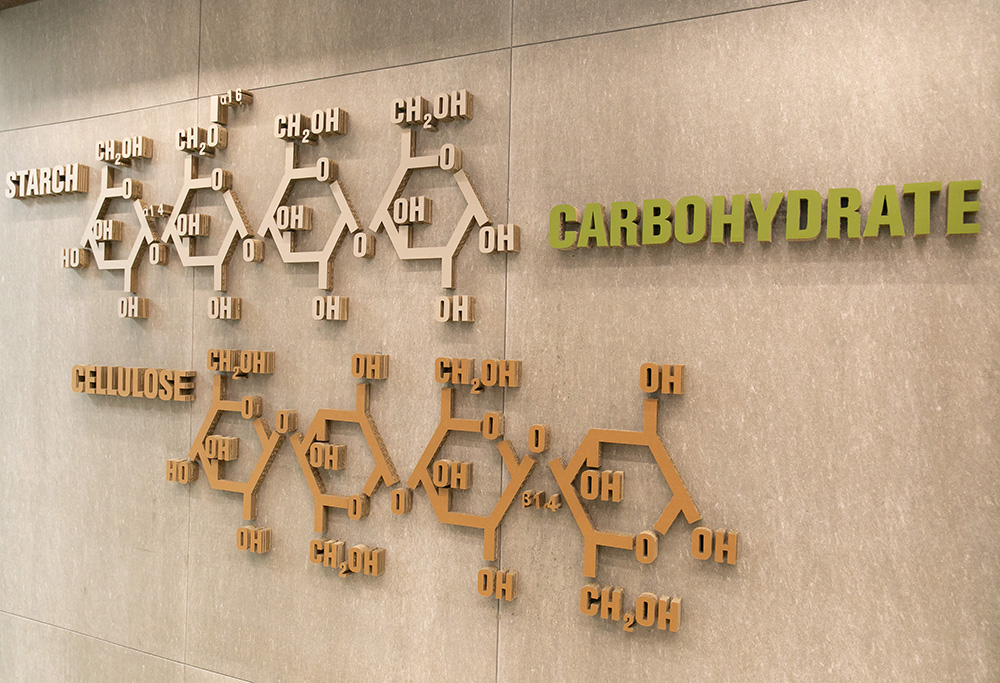
In response to climate change, resource overshoot and the global net-zero transition, YFY has further placed the Saccharide Economy at the core of its circular sustainability. Through photosynthesis, plants absorb carbon dioxide and water from the atmosphere to form glucose, which is further polymerized into polysaccharides such as cellulose and starch, storing carbon in plants and bio-based materials. Unlike non-renewable fossil resources, plant fibers, regenerated fibers and agricultural and forestry resources are renewable, circular, convertible and able to return to nature, providing an important foundation for low-carbon materials, bioenergy and circular products.
From Resource Use to the Five Major Cycles
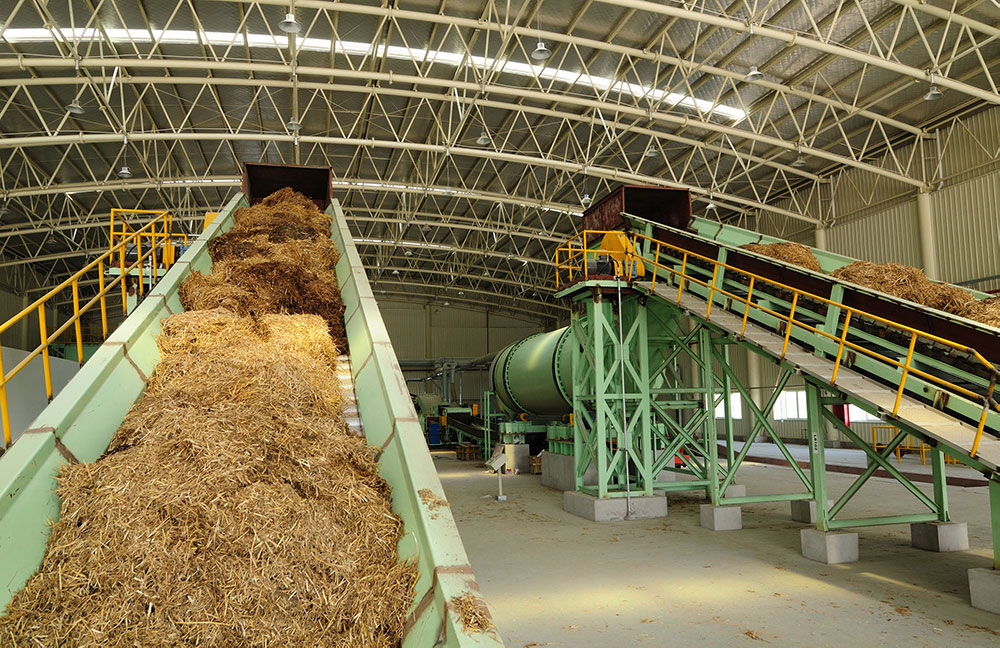
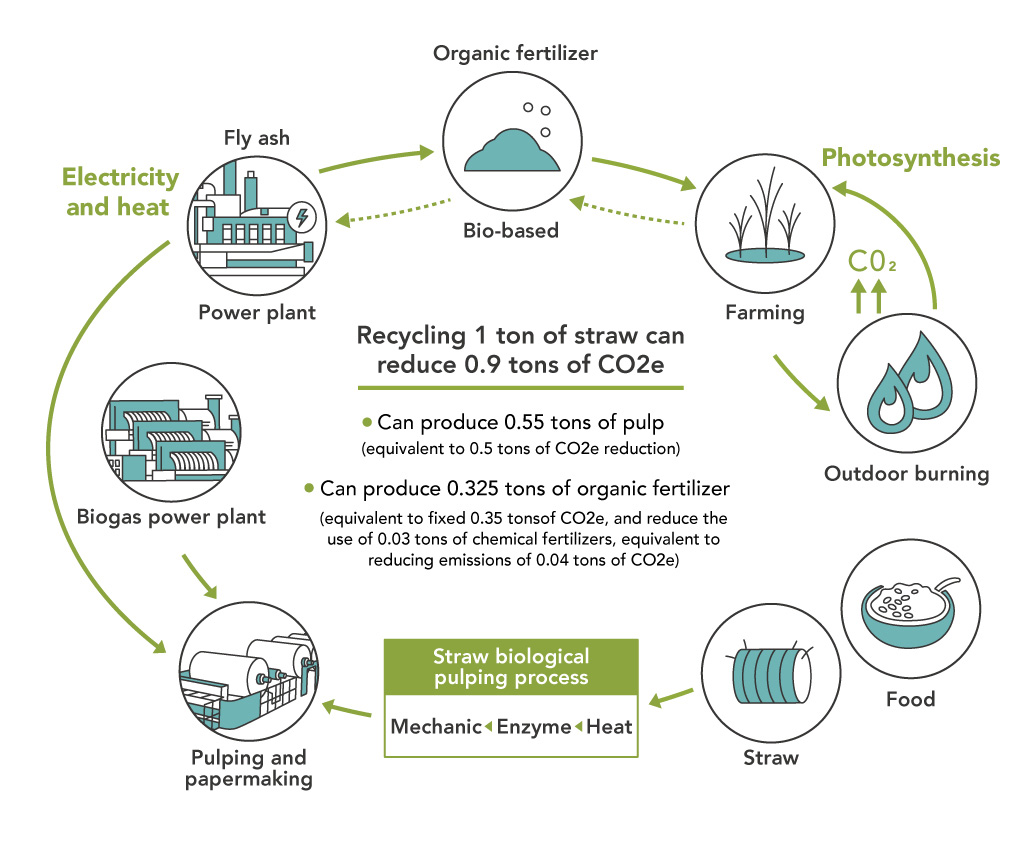
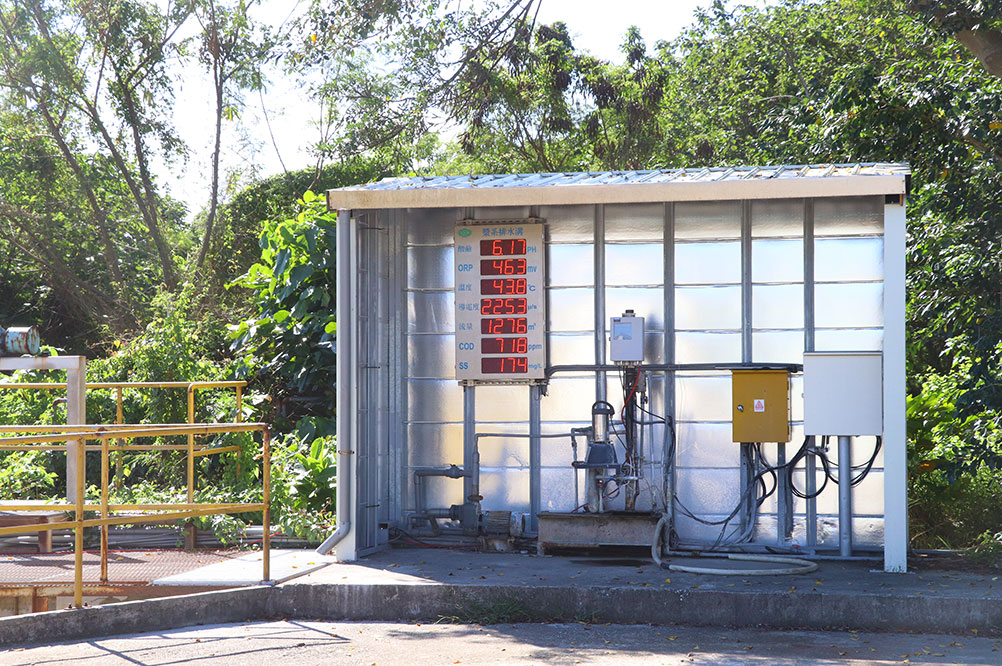
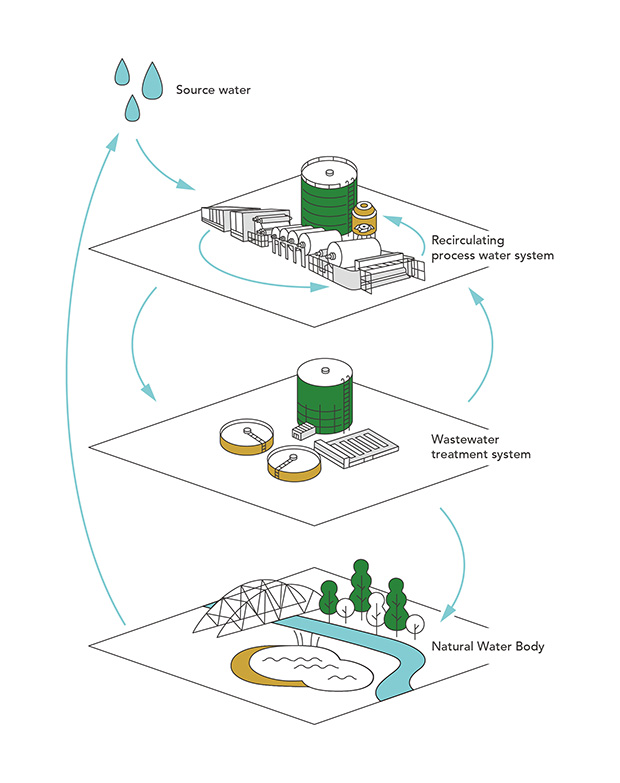
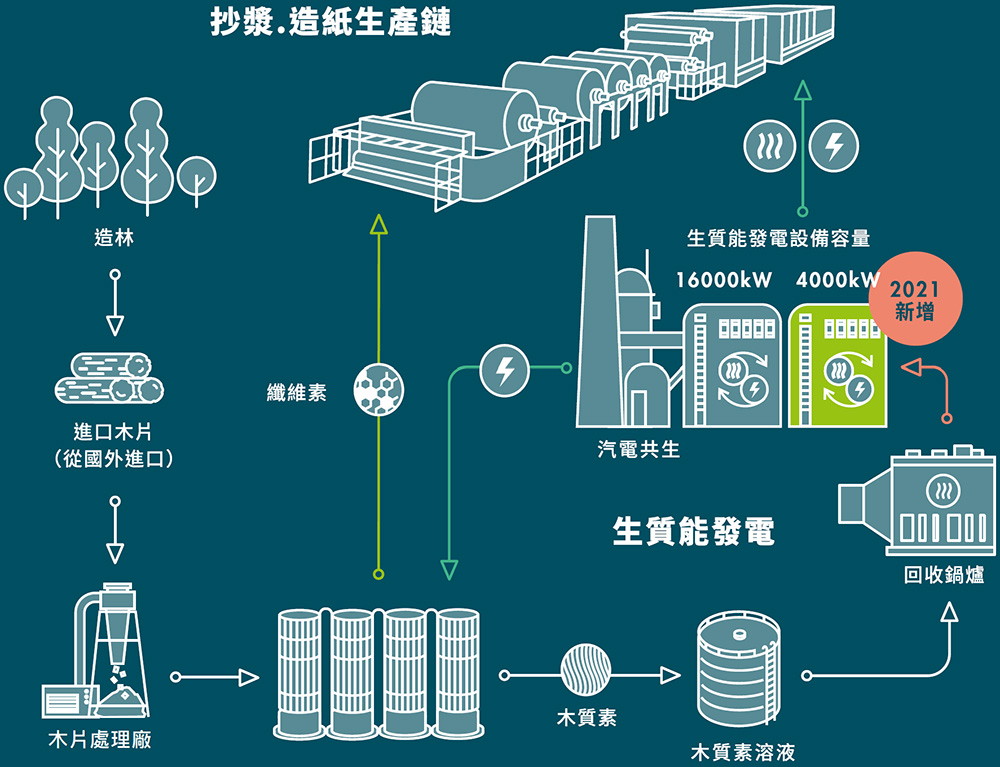
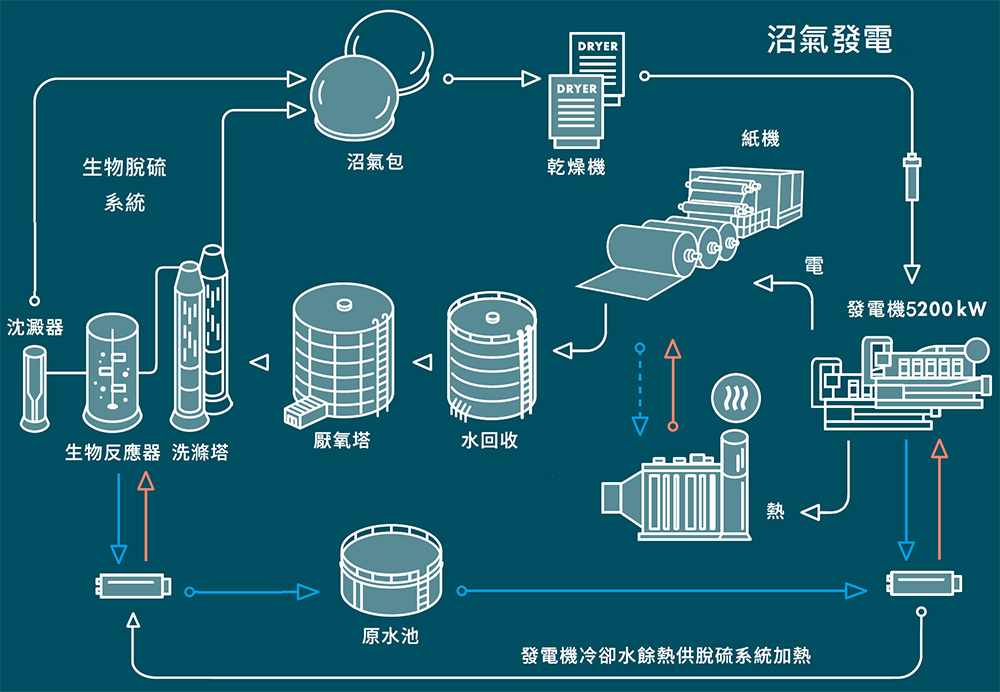
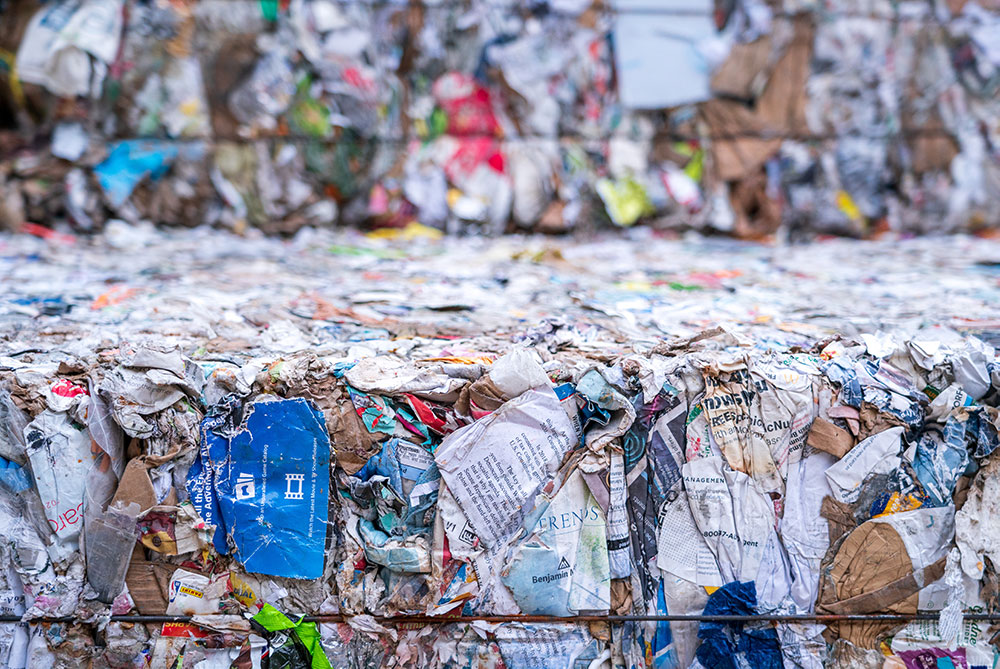
YFY has developed its long-accumulated process technologies and resource management experience into five interconnected cycles: the Agricultural Cycle, Paper Cycle, Hydrologic Cycle, Renewable Energy Cycle and Carbon Cycle. Agricultural by-products can be converted into fibers and bio-based materials; used paper is recovered and becomes papermaking raw material once again; process water is recovered and treated for continuous circulation and reuse; process by-products and organic resources are further converted into bioenergy or resource-recycling fuels; and plant growth, the use of fiber materials and their recovery and reuse together form the circulation of biogenic carbon through natural and industrial systems. The five cycles are not independent of one another but are connected across raw materials, processes, energy, products and the product life cycle, continuously improving resource efficiency and circular value.
From the Five Major Cycles to Climate Technology
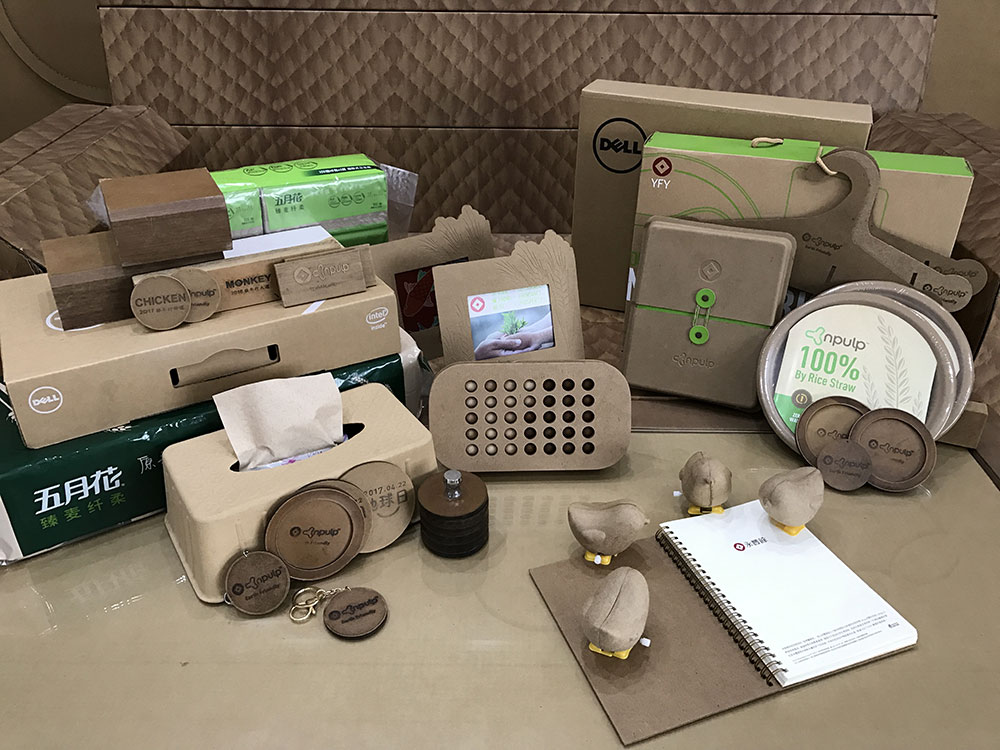
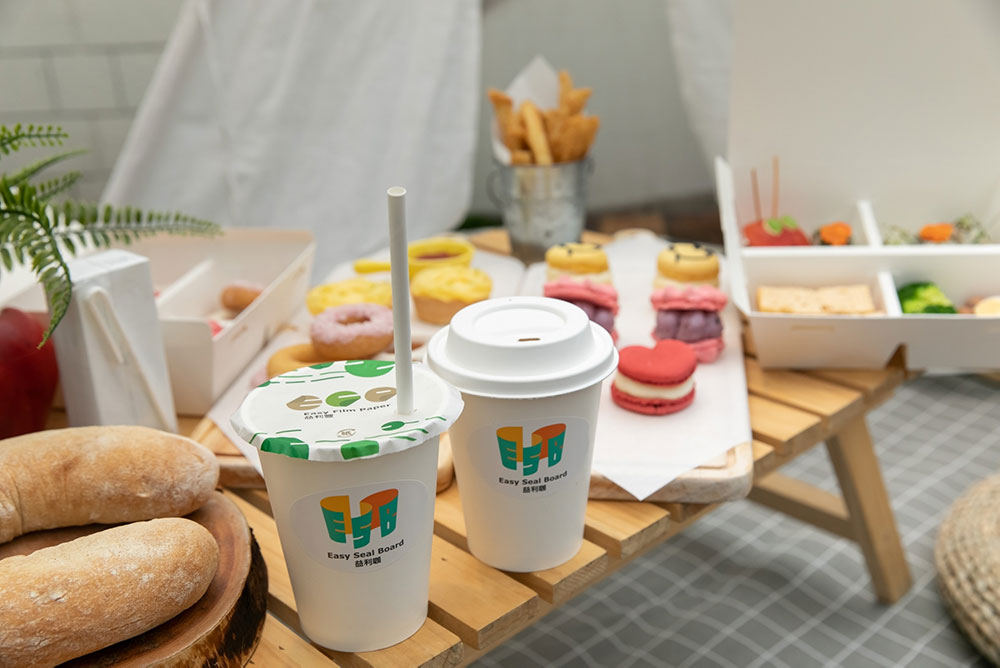
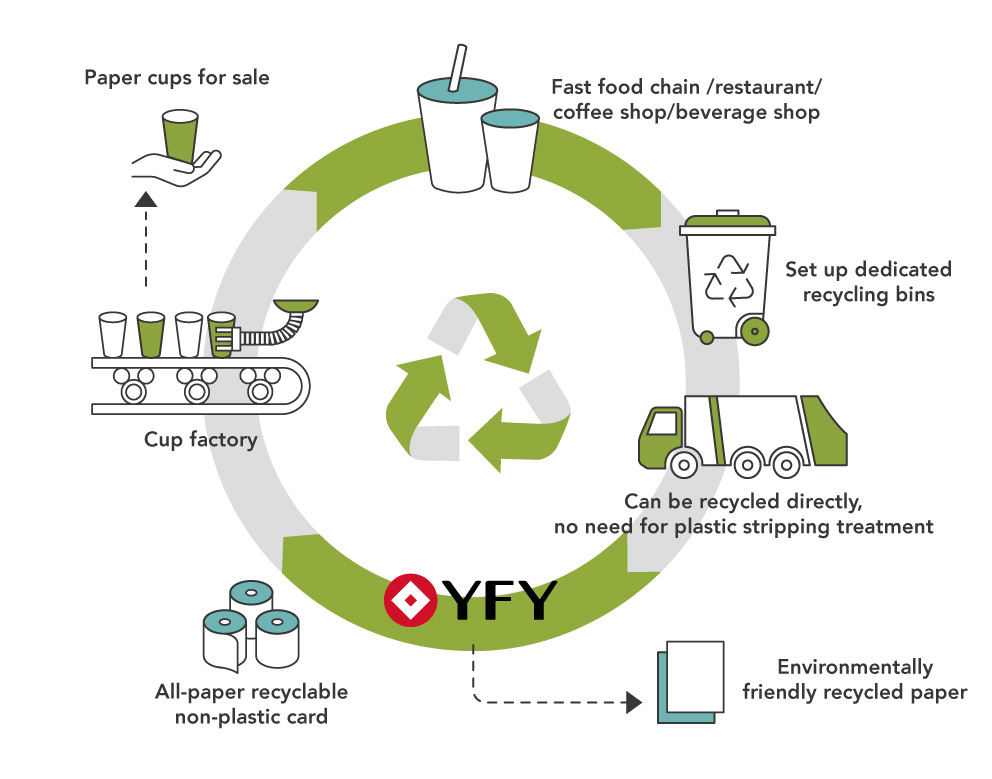
Building on its established Circular Economy foundation, YFY continues to advance its strategic transformation, using the Saccharide Economy to connect its two development engines: Energy Transition and Material Innovation. On the energy side, the Company is progressively reducing fossil-energy dependence through a lower-carbon energy mix, improved process efficiency, and smart energy, energy storage and energy management technologies. On the materials side, it continues to develop all-paper non-plastic materials, bio-based green chemicals and high-value-added bio-based products, expanding the use of renewable materials in place of petrochemical materials. Combined with digital governance and AI, this extends into smart energy management, virtual power plants and carbon management services, developing the Circular Economy from the manufacturing floor into a resilient climate technology business with growth potential.
Returning Resources to the Cycle, Regenerating Value
From a single plant fiber, a sheet of paper and a drop of water through to a unit of renewable energy and a unit of managed carbon, YFY continues to consider how resources can be used longer, reused repeatedly and made to create new value across their life cycle. The five major cycles are both the outcome of YFY’s long-term Circular Economy practice and an important foundation for its move into low-carbon materials, bioenergy and climate technology. Through continuous innovation and cross-industry collaboration, YFY aims to build a more resilient, regenerative and enduringly mutual relationship between industrial development and natural resources.